Callisthenics: The Ultimate Bodyweight Training for UK Adults and Parents
Introduction: Why Callisthenics is Transforming British Fitness
Let’s face it, making time for the gym can be tough, especially if you’re balancing work, family commitments, or contending with unpredictable British weather. Enter callisthenics: a form of bodyweight exercise that enables you to use your own weight to build muscle, strength, and flexibility, no pricey gym memberships or intimidating equipment necessary. Whether you’re a busy adult seeking a fresh workout or a parent in need of a convenient home fitness solution, callisthenics could be your new best friend.
In this comprehensive guide, we’ll cover everything you need to know about callisthenics, including its benefits, essential exercises, tips for beginners, advanced moves, and advice on building a personalised callisthenics routine tailored for life in the UK.
What is Callisthenics? The Basics of Bodyweight Training
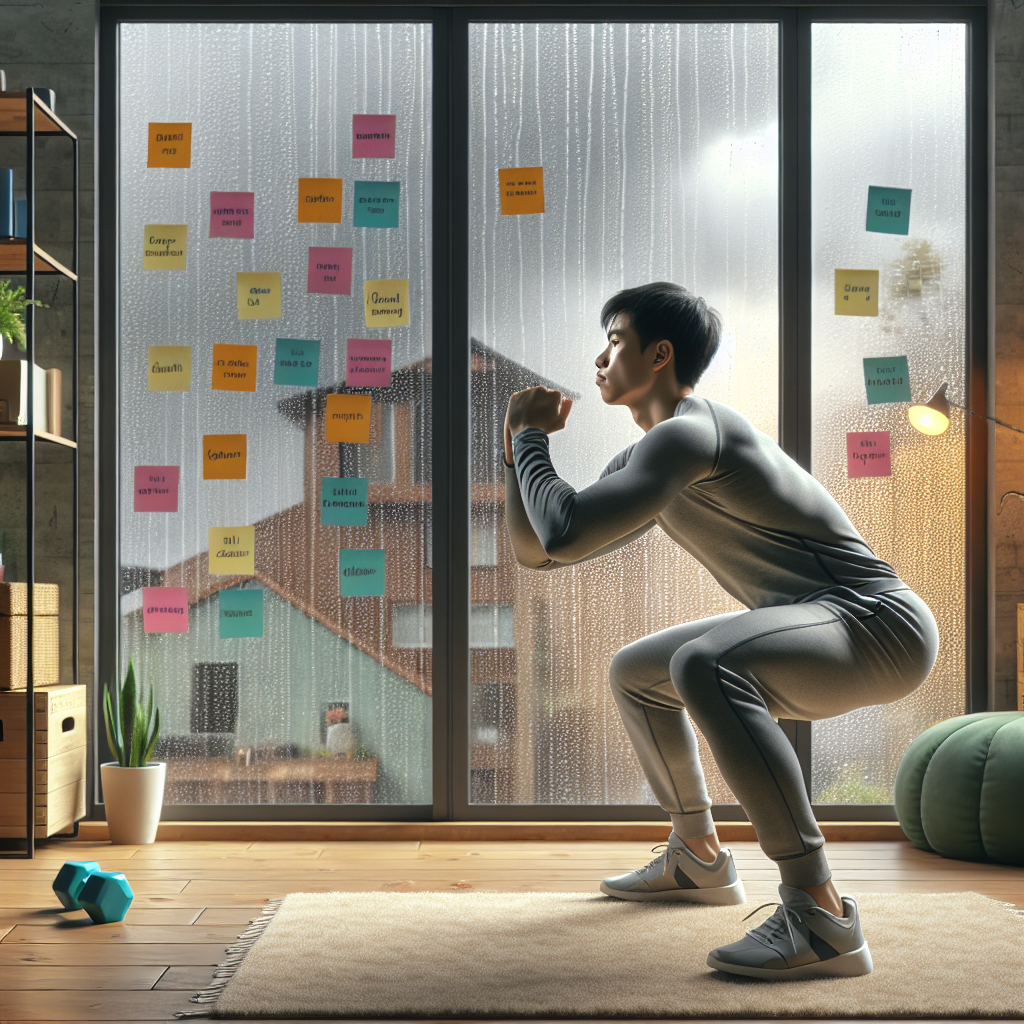
Callisthenics is a style of exercise that utilises your bodyweight as resistance, focusing on movements such as squats, pull-ups, push-ups, lunges, and core exercises. Unlike traditional weight training, callisthenics requires no external weights, making it accessible and adaptable to almost any location, whether your living room, garden, or local park (a raincoat is always a wise precaution).
A Brief History of Callisthenics
The term ‘callisthenics’ has Greek origins: ‘kallos’ (beauty) and ‘sthenos’ (strength). The discipline has been practised for centuries, influencing British military drills, school PE lessons, and even Olympic gymnastics. Today, callisthenics is experiencing a revival in the UK, thanks to its practicality and minimal equipment requirements.
The Benefits of Callisthenics: Why Bodyweight Training Works
Build Muscle and Strength, No Weights Needed
Callisthenics enables you to develop muscle and strength without the use of weights. Exercises like push-ups, dips, and squats stimulate hypertrophy and strengthen every major muscle group. By increasing repetitions, altering tempo, or progressing to advanced variations, you’ll continually challenge your body and promote muscle growth.
Versatility and Convenience
You can perform callisthenics anywhere, at home, in the garden, or at the park while the children play. There’s no need for a gym or heavy equipment, just your own body and perhaps a pull-up bar for variety.
Functional Mobility and Injury Prevention
Callisthenics workouts often include compound movements that replicate real-life activities. This improves mobility, stability, and coordination, reducing the risk of injury and making daily tasks, like carrying shopping or keeping up with children, much easier.
Suitable for All Fitness Levels
Whether you’re a complete beginner or a seasoned athlete, callisthenics can be tailored to your abilities. Modify exercises to match your starting level and progress as you grow stronger.
Budget-Friendly
Forget costly gym equipment. At most, you may need a pull-up bar or some resistance bands. For many, bodyweight alone is sufficient to get started.
Callisthenics vs Weight Training: Which is Right for You?
Both callisthenics and weight training offer unique benefits. Here’s a quick comparison to guide your choice:
Calisthenics: Uses bodyweight resistance; improves mobility, coordination, and endurance; highly functional; minimal equipment.
Weight Training: Utilises external weights or machines; allows for precise load adjustments; often preferred for targeted muscle mass development.
For most UK adults and parents, callisthenics offers a practical and effective introduction to strength training, particularly when time and space are limited.
Essential Callisthenics Exercises for Every Muscle Group
Let’s explore the top callisthenics exercises for building muscle, increasing strength, and enhancing flexibility.
Lower Body: Squats, Lunges, and Pistol Squats
Squat: The foundation of lower body training. Excellent for quads, glutes, and hamstrings. Stand with your feet shoulder-width apart, lower as if sitting into a chair, then return to a standing position. Aim for 3 sets of 10–15 reps.
Lunge: Step forward, lowering your hips until both knees form 90-degree angles, then return to start. Great for single-leg strength.
Pistol Squat: A challenging single-leg squat that develops balance and power. Beginners can use a chair or TRX band for support.
Upper Body: Pull-Ups, Push-Ups, and Dips
Pull-Up: The ultimate back and upper body builder. Using a pull-up bar, pull your chin above the bar, then lower with control. Beginners can try negative reps or use resistance bands to build strength.
Push-Up: Classic for chest, shoulders, and triceps. Maintain a straight body, lower your chest to the floor, then push back up. Modified (knees-down) versions are ideal for newcomers.
Dips: Use parallel bars or a sturdy chair. Lower until elbows reach 90 degrees, then push up. Fantastic for triceps and shoulders.
Core and Mobility Training
Plank: Hold a straight-body position on elbows and toes to build core stability.
Leg Raises: Lie on your back and lift your legs towards the ceiling to strengthen your lower abs.
Mountain Climbers: Excellent for cardio, coordination, and core strength.
Advanced Moves: Mastering the Handstand and Beyond
Handstand: Tests upper body strength and balance. Practice against a wall to start.
Muscle-Up: Combines a pull-up and a dip for a complete upper body challenge. Requires mastery of both movements.
Getting Started with Callisthenics: Tips for Beginners
Assess Your Current Fitness Level
Be honest about your starting point. If you haven’t exercised in a while, start with basics like wall push-ups and assisted squats. Progress at your own pace; there’s no need to rush.
Create a Callisthenics Workout Plan
A balanced plan should target all major muscle groups, incorporating strength, mobility, and rest days. Here’s a sample week for beginners:
Sample Beginner Callisthenics Workout Plan
Day 1: Upper Body & Core
Push-Ups: 3 x 8–12 reps
Pull-Ups (or negatives): 3 x 5–8 reps
Plank: 3 x 30 seconds
Day 2: Lower Body & Mobility
Bodyweight Squats: 3 x 15 reps
Lunges: 3 x 10 reps per leg
Glute Bridges: 3 x 12 reps
Dynamic stretches
Day 3: Rest or Light Activity
Day 4: Total Body
Dips: 3 x 8–10 reps
Mountain Climbers: 3 x 30 seconds
Leg Raises: 3 x 10 reps
Assisted Pistol Squats: 3 x 5 per leg
Day 5: Mobility & Cardio
Yoga or stretching
Brisk walk or jog
Weekend: Rest or Outdoor Play
Focus on Form and Progression
Prioritise correct form before increasing reps or difficulty. This helps prevent injury and ensures you’re targeting the right muscles. Quality is always more important than quantity.
Track Your Progress
Use a fitness app or journal to track reps, sets, and your feelings during workouts. Tracking progress boosts motivation and helps you see improvements over time.
Pay Attention to Nutrition
To build muscle with callisthenics, support your training with a balanced diet rich in protein, healthy fats, and whole carbohydrates. Stay hydrated, rain or shine!
Callisthenics Equipment: What Do You Need?
One of callisthenics’ most significant advantages is its minimal equipment requirement. However, a few items can enhance your workouts:
Pull-Up Bar: Ideal for home or garden use; doorway bars are easy to install.
Resistance Bands: Useful for assisted pull-ups and adding challenge to exercises.
Parallettes: Compact bars for dips, push-ups, and handstand work.
Gymnastics Rings: Offer advanced upper body training options.
Exercise Mat: Adds comfort during floor work.
All of these can be found online or at major sports retailers in the UK. Always choose sturdy, highly rated equipment for safety.
Callisthenics for Beginners: Overcoming Common UK Barriers
Short on Time?
Callisthenics routines can be completed in as little as 20 minutes and still deliver a full-body workout. Fit sessions can be integrated into early mornings, lunch breaks, or while the children nap.
Battling British Weather
Rain needn’t stop you. All you need is a bit of indoor space, a living room, a hallway, or a landing. For outdoor sessions, layer up and embrace the elements like a true Brit!
Staying Motivated
Join a local callisthenics group or an online UK community. Sharing progress and tips with others can boost motivation and keep you accountable.
Advanced Callisthenics: Taking Your Training Further
Once you’ve mastered the basics, push yourself with advanced moves:
Handstand Push-Ups: Brilliant for shoulder and arm strength.
One-Arm Push-Ups: The ultimate test of single-arm power.
Pistol Squats: Advanced single-leg squats for lower body strength.
Front Lever & Planche: High-level moves requiring core, back, and arm strength.
Progress by increasing reps, adding sets, or reducing rest times. Remember, patience and consistency are crucial.
Mobility Training and Injury Prevention in Callisthenics
Incorporate mobility training to enhance longevity and minimise injury risk. Use dynamic stretches (such as leg swings and arm circles) before workouts and static stretches (like hamstring and quad stretches, and chest stretches) afterwards. Foam rolling and yoga are excellent additions, particularly for busy parents seeking both mobility and relaxation.
Building Your Own Callisthenics Workout Routine
Design your routine based on your goals, schedule, and the equipment available to you. Combine push, pull, squat, and core exercises for balanced muscle development. Adjust intensity by varying repetitions, sets, or exercise variations.
Remember: Consistency trumps intensity. Choose a routine you enjoy, and the results will follow.
Callisthenics in the UK: Community, Parks, and Opportunities
Many UK cities now feature outdoor callisthenics parks, including London, Manchester, Birmingham, and more, with free access to pull-up and parallel bars. Check your local council or community Facebook groups for locations. Or, arrange group park workouts with friends or fellow parents and make it a family event.
Conclusion: Take the Leap—Start Callisthenics Today!
Callisthenics is more than just a workout; it’s a flexible, empowering approach to fitness that fits seamlessly into the busy lives of UK adults and parents. By leveraging your body weight, you can build strength, increase muscle, and boost mobility without the need for expensive equipment or gym fees. Start simple, remain consistent, and enjoy the journey as you unlock new skills and a stronger, more energised you.
Regardless of your current fitness level, it’s never too late to start callisthenics. Grab a mat, find your space, and let your body do the work—rain, shine, or anything in between!
Frequently Asked Questions: Callisthenics for UK Adults & Parents
1. Can I build muscle with callisthenics, or do I need to lift weights?
Absolutely! Callisthenics builds muscle and strength through progressive overload, achieved by increasing repetitions, sets, or the difficulty of the exercise. Moves like push-ups, pull-ups, and squats promote muscle growth and hypertrophy. Advanced practitioners can achieve impressive physiques solely through bodyweight training.
2. Do I need any special equipment to start callisthenics at home?
No specialist equipment is needed, though a pull-up bar and resistance bands can add variety. Most exercises can be performed using just your bodyweight and household items, such as a sturdy chair for dips.
3. How often should I do callisthenics workouts?
For beginners, 2–4 sessions per week covering all major muscle groups is ideal. Ensure you allow at least one rest day between strength workouts for recovery.
4. Is callisthenics suitable for complete beginners or older adults?
Yes, callisthenics is highly adaptable. Start with easier variations and progress at your own pace. If you have any health concerns, consult your GP before starting a new exercise routine.
5. What should I eat to support muscle growth while doing callisthenics?
A balanced diet rich in lean protein (such as chicken and fish), whole grains, and a variety of vegetables supports muscle development and recovery. Stay hydrated and consider consulting a UK-registered nutritionist for personalised guidance.
6. Are there any UK-specific resources or communities dedicated to callisthenics?
Yes, search for local callisthenics groups on Meetup, Facebook, or via your council’s sports initiatives. Many UK cities have outdoor fitness parks, making it easy to train in the fresh air.
7. How do I stay motivated to train, especially during the British winter?
Find a workout partner, join online challenges, or set achievable goals (such as mastering your first full push-up or pull-up). Remember: progress of any kind is worth celebrating.
Ready to discover your strength? Start callisthenics today and join the growing UK community of adults and parents embracing the ultimate bodyweight exercise!