Elite FTS: Strongman Training for Strength & Conditioning
Introduction: Why Strongman Training Is for Everyone
Have you ever watched a strongman competition and thought, “Wow, I could never do that”? Think again! Strongman training isn’t just for elite athletes flipping tires or hoisting Atlas stones. It’s a dynamic, engaging way for active adults, busy parents, and fitness enthusiasts to build real-world strength, increase muscle mass, and boost energy for everyday life. Whether your goal is to keep up with your kids at the park, carry groceries with ease, or feel stronger and more confident, strongman-style workouts can help you get there.
In this article, we’ll break down the fundamentals of strongman training, teach you how to lift like a strongman, and provide actionable tips for integrating strongman exercises into your workout routine. Get ready to discover the many benefits of strongman training and learn how you can train like a strongman—no matter your experience level!
The Fundamentals of Strongman Training
What Is Strongman Training?
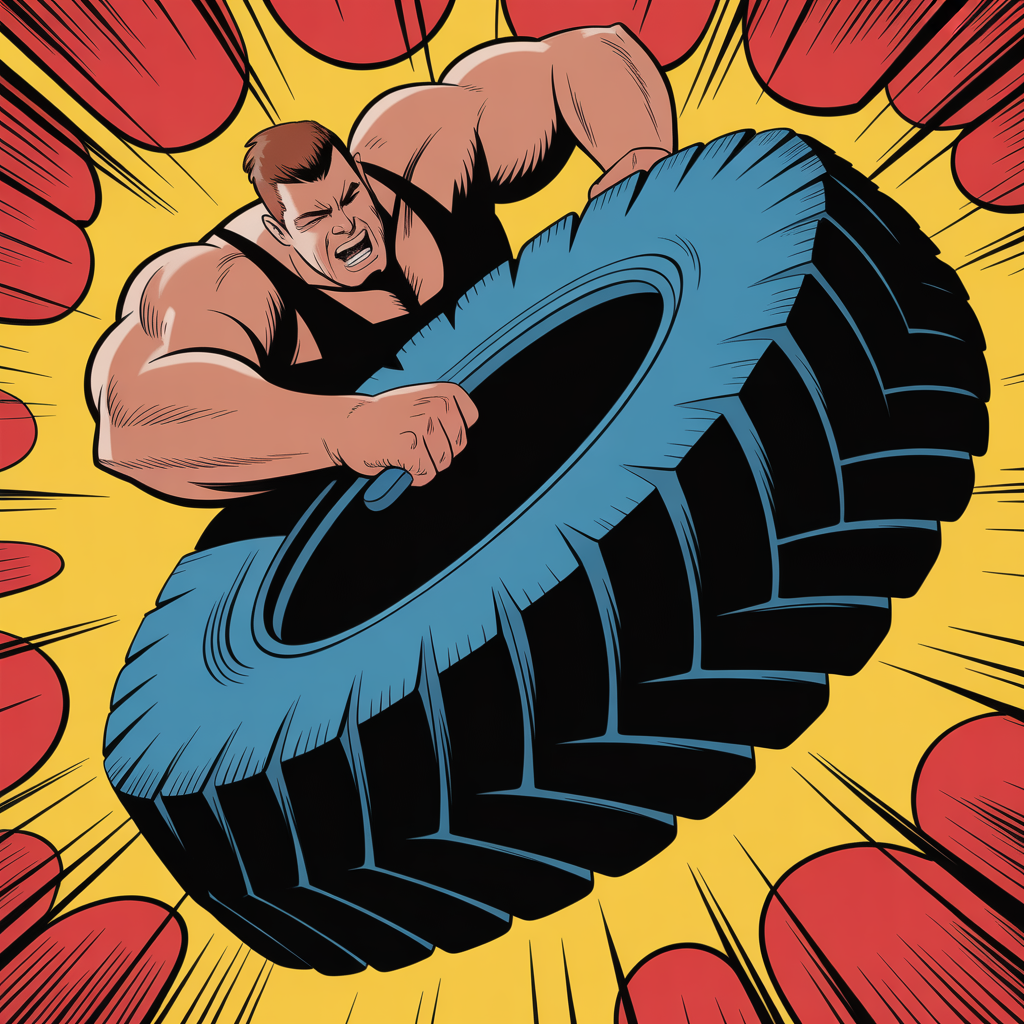
Strongman training emphasises functional movement, exercises that replicate the ways we move in everyday life. Unlike traditional powerlifting or bodybuilding, which focus on barbell lifts such as the squat, deadlift, and bench press, strongman workouts incorporate a variety of unconventional objects, including Atlas stones, sandbags, sledges, logs, and more. The goal? To develop total-body strength, core stability, grip strength, and cardiovascular fitness simultaneously.
Key Strongman Lifts & Exercises
Strongman training blends classic gym lifts with unique, functional exercises:
Squat: Builds lower body strength and stability.
Deadlift: Essential for overall strength, targeting the lower back and hamstrings.
Overhead Press: Strengthens shoulders, arms, and core.
Atlas Stone Lift: Develops explosive power, coordination, and full-body muscle mass.
Sandbag Carry: Great for grip strength, core stability, and cardiovascular conditioning.
Sled Push/Pull: Boosts leg drive, endurance, and explosive power.
Farmer’s Walk: Improves core and grip strength while enhancing real-world carrying ability.
Don’t worry, you don’t need every piece of equipment to get started. Many strongman exercises can be adapted using dumbbells, barbells, or even household items!
Strongman vs. Powerlifting & Bodybuilding
Strongman training stands out for its focus on functional strength. While powerlifting centres on maximal lifts in the squat, bench press, and deadlift, bodybuilding emphasises muscle size and aesthetics, and strongman prioritises strength and conditioning that translates to real-life applications. Expect to lift, carry, and move heavy objects in ways that mimic daily activities.
The Benefits of Strongman Training
Why Train Like a Strongman?
Strongman training offers a host of benefits for adults and parents:
Functional Strength: Build muscle and power you’ll use every day, lifting children, moving furniture, or playing sports.
Core Stability: Many strongman lifts demand core engagement, protecting your lower back and improving posture.
Improved Grip Strength: Exercises like farmer’s walks and Atlas stone lifts strengthen your hands for more manageable daily tasks.
Cardiovascular Fitness: Carrying, pushing, and pulling heavy weights elevate your heart rate for a comprehensive strength and conditioning workout.
Increased Confidence: Conquering challenging strongman workouts is empowering and motivating!
Strongman Training for Muscle Mass & Fat Loss
Strongman exercises utilise heavy weights and engage multiple muscle groups, making them incredibly effective for building muscle mass and burning fat. Unlike isolation workouts, strongman training elevates your heart rate while you lift, allowing you to accomplish more in less time.
Getting Started: Strongman Workouts for Beginners

Building Your Strongman Training Program
If you’re new to strongman-style training, don’t worry! Start with a few foundational exercises and progress gradually:
Step 1: Master Fundamental Movements
Begin with basic functional movement patterns: squat, hinge (like a deadlift), push, pull, and carry. These lay the groundwork for more advanced strongman lifts.
Step 2: Add Strongman Exercises
Incorporate 1–2 strongman exercises per workout, such as:
Farmer’s Walk: Grab two heavy dumbbells and walk for distance or time.
Sled Push/Pull: Use a sled if available, or push a weighted stroller or heavy bag.
Sandbag Carry: Hug a sandbag or weighted backpack and walk.
Tire Flip or Atlas Stone Lift: Substitute with a medicine ball or sandbag as needed.
Step 3: Progress Gradually
Start with lighter weights and focus on proper form. Gradually increase the load or distance as you gain strength and confidence.
Sample Strongman Workout for Busy Adults
Try this full-body strongman workout 2–3 times per week:
Warm-Up (5–10 min):
Light cardio (jog, jump rope, brisk walk)
Dynamic stretches (leg swings, arm circles)
Main Workout:
Squat (Barbell or Dumbbell): 3 sets x 8 reps
Deadlift (Barbell or Dumbbell): 3 sets x 6 reps
Overhead Press (Barbell or Dumbbell): 3 sets x 8 reps
Farmer’s Walk (Heavy Dumbbells): 3 x 30 seconds
Sled Push (or substitute): 3 x 20 meters
Sandbag Carry: 3 x 40 meters
Core Finisher:
Plank: 3 x 30–60 seconds
Russian Twists (with Sandbag or Dumbbell): 3 x 15 reps
Cool Down (5 min):
Gentle stretching
Tip: Rest 1–2 minutes between sets. Choose weights that make the last few reps challenging but maintain good form.
Strongman Training at Home
No gym? No problem! Mimic a strongman lifting household items:
Use loaded backpacks as sandbags.
Carry grocery bags for farmers’ walks.
Push a heavy stroller or sled on grass.
Lift large bags of pet food or water jugs as Atlas stones.
Key Strongman Exercises Explained
Deadlift: The Foundation of Strongman Lifts
The deadlift is essential for any strongman training program, as it targets your lower back, hamstrings, glutes, and grip strength. Whether you use a barbell, dumbbells, or a sandbag, focus on keeping your back straight and driving through your legs.
How-To:
Stand with feet hip-width apart, weight over the mid-foot.
Bend at the hips and knees to grip the bar or object.
Keep your core tight, chest up, and back flat.
Drive through your heels to lift, then lower with control.
Overhead Press: Build Shoulder & Core Strength
This lift strengthens your shoulders, triceps, and core. Use a barbell, dumbbells, or a loaded sandbag for variety.
How-To:
Stand with feet shoulder-width apart, weight at chest level.
Brace your core and press the weight overhead.
Lower with control.
Sled Push & Pull: Power, Endurance, and Conditioning
Sledge training is a staple of strongman training, used to build total-body power and cardiovascular fitness. If you don’t have a sled, push a heavy object across the floor or yard.
How-To:
Load the sled or object with a challenging weight.
Lean forward slightly and drive with your legs.
Push or pull for distance or time.
Sandbag Carry: Real-World Strength
Carrying a sandbag enhances functional strength and core stability. Hug it tight to your chest and walk tall.
How-To:
Squat down and lift the sandbag to your chest.
Stand up straight, brace your core, and walk for a distance.
Atlas Stone Lift: The Classic Strongman Exercise
Lifting an Atlas stone (or a heavy ball or bag) is a full-body challenge, perfect for building muscle mass and explosive power.
How-To:
Squat down and hug the stone or object.
Drive through your legs and hips to lift it onto a platform or over a bar.
Strongman Training Tips for Busy Adults & Parents
Maximise Your Workout Time
Short on time? Strongman circuits are efficient and fun. Combine 3–4 exercises with minimal rest for a quick, effective full-body workout.
Involve the family: Kids love to watch (and sometimes join in) strongman exercises! Use light objects and always focus on safety.
Listen to your body: Strongman training is intense. Prioritise proper form and allow for rest and recovery.
Safety First: Injury Prevention
Warm up before workouts and cool down afterwards.
Start with manageable weights.
Focus on technique, especially for deadlifts and overhead presses.
If you have a history of lower back pain, consult a fitness professional before starting new exercises.
Building Your Own Strongman Training Program
Designing Effective Strongman Workouts
Frequency: 2–4 sessions per week is ideal for most adults.
Balance: Include a mix of squats, deadlifts, pushes/pulls, carries, and core work.
Progression: Gradually increase the weight, reps, or distance each week.
Variety: Rotate exercises to keep workouts fresh and challenge your body in new ways.
Sample Weekly Strongman Training Plan
Day 1: Full-Body Strongman
Deadlift
Overhead Press
Farmer’s Walk
Sled Push
Day 2: Strongman Conditioning
Sandbag Carry
Atlas Stone Lift
Tire Flip or alternative
Core Circuit
Day 3: Traditional Strength
Squat
Bench Press
Pull-Ups or Rows
Plank
Rest days as needed. Listen to your body and avoid overtraining!
Frequently Asked Questions: Elite FTS Strongman Training
Q1: Do I need special equipment for strongman training?
A: Not at all! Many strongman exercises can be performed with basic gym equipment (barbell, dumbbell, sandbag) or creative household substitutes.
Q2: Is strongman training safe for older adults or beginners?
A: Yes. With proper form and gradual progression, strongman training is safe and effective for adults of all ages. Start light, focus on technique, and consult your doctor if you have any health concerns.
Q3: How often should I do strongman workouts?
A: Start with 2–3 sessions per week. Ensure you rest for at least one day between strongman workouts to promote optimal recovery and muscle growth.
Q4: Will strongman training help me lose weight?
A: Absolutely! Strongman workouts are high-intensity and burn a significant number of calories, supporting fat loss while building muscle mass.
Q5: Can strongman training improve performance in other sports?
A: Yes! The functional strength, core stability, and conditioning developed in strongman training translate to better performance in sports, daily activities, and even family playtime.
Q6: What if I have a weak grip or lower back pain?
A: Start slow and focus on exercises to strengthen your grip and core. Seek guidance from a fitness professional for modifications, and always prioritise rest and recovery if you experience pain.
Conclusion: Start Training Like a Strongman Today!
Strongman training isn’t just for elite competitors; it’s for anyone who wants to get stronger, feel better, and move through life with greater confidence. With a blend of classic lifts, strongman exercises, and fun challenges, you can build muscle mass, improve core strength, and enhance your cardiovascular health—all while enjoying your workouts. So grab a sandbag, pick up those dumbbells, and start your journey to a stronger, more capable you today. You’ve got this!