Fitness Industry Problems and What's Missing: A Friendly Guide for Active Adults and Restless Parents
Introduction: Why the Fitness Industry Needs a Fresh Perspective
Staying active and healthy isn’t always simple, especially for busy adults and parents juggling work, kids, and never-ending to-do lists. The health and fitness industry promises solutions, but does it deliver? You're not alone if you’ve ever felt lost in a gym, overwhelmed by conflicting advice, or frustrated by generic exercise programs.
In this article, we’ll dive into the biggest challenges in the fitness industry and uncover what’s often missing from most health and fitness experiences. As a personal trainer who’s worked with countless active adults and restless parents, I’ll share practical tips, relatable stories, and actionable steps to help you get the most from your fitness journey—without the jargon or the hype.
The State of the Fitness Industry: An Honest Look
The Growth of the Health and Fitness Industry
The fitness industry is bigger than ever. From boutique studios to online trainers, the choices can feel endless. But more options don’t always lead to better results. Many people still struggle to find exercise programs that truly match their lifestyle, goals, and unique needs.
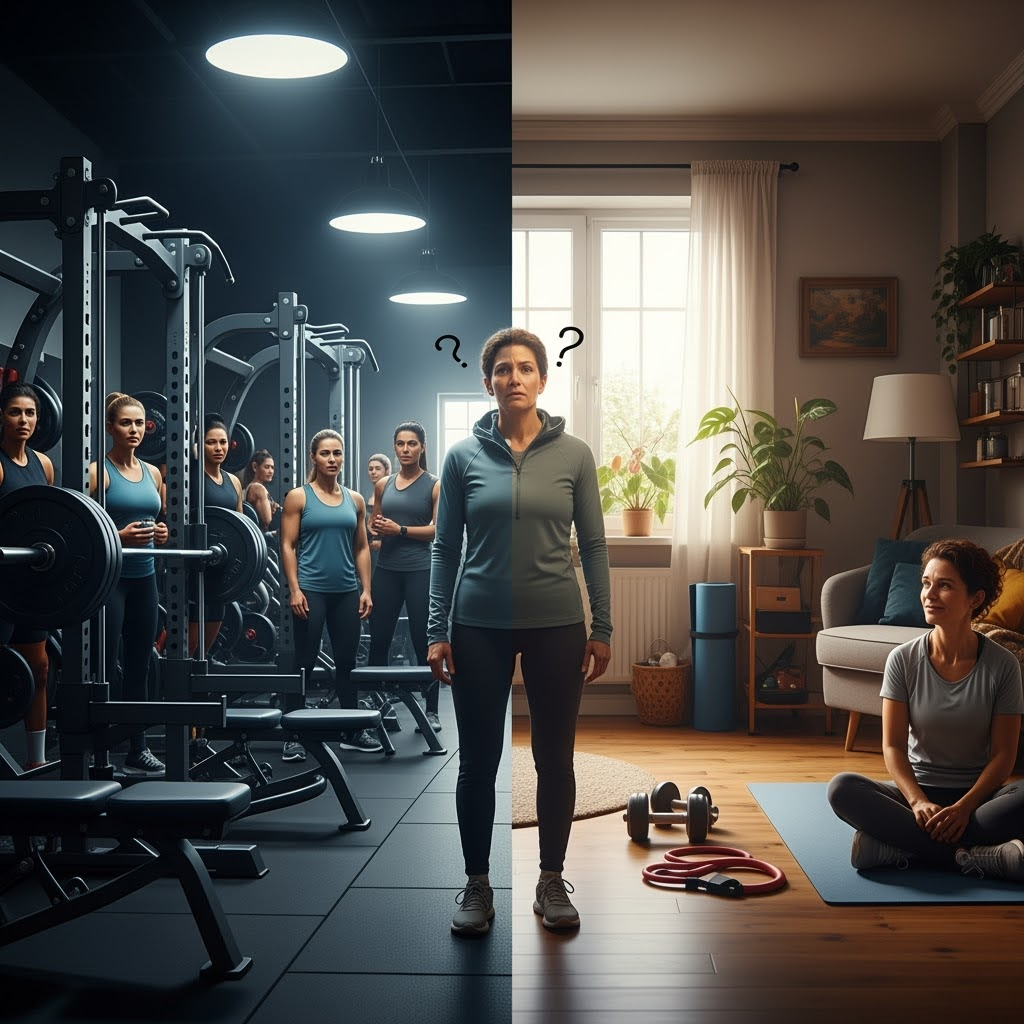
The Disconnect: What Gyms and Trainers Often Overlook
Most gyms and fitness professionals focus primarily on the physical—weights, cardio, and classes. But real health and fitness are about so much more than burning calories. It’s about feeling good, staying motivated, and making lasting progress.
Key Issues in the Fitness Industry:
Overemphasis on appearance over health
Lack of personalised guidance
Intimidating or inaccessible gym environments
Misinformation and fad trends
Neglecting mental health and lifestyle factors
Let’s unpack these issues and explore what active adults and restless parents like you need from the fitness industry.
What’s Missing in Health and Fitness: Filling the Gaps
1. Personalisation: One Size Doesn’t Fit All
Everybody is different, yet many gyms and exercise programs still promote a “one-size-fits-all” approach. Ever joined a class or followed a program that didn’t work for you? You’re not alone.
What’s Needed:
Fitness professionals who take time to understand your goals, limitations, and preferences
Flexible programs that adapt to your changing life (especially during parenthood!)
Realistic goal-setting that fits your schedule
2. Support Beyond the Gym: Real-World Solutions
Exercise is just one piece of the puzzle. The real challenge is fitting health and fitness into your daily routine. Too often, trainers focus only on what happens inside the gym, overlooking the real-life hurdles you face outside it.
What’s Needed:
Advice on home workouts and active family routines
Strategies for staying active on busy days
Encouragement for small, consistent changes
3. Mental Health Matters: The Overlooked Link
The fitness industry often forgets that exercise isn’t just about muscles—it's a powerful tool for stress relief, better mood, and improved sleep. Yet, this mind-body connection is rarely emphasised.
What’s Needed:
Trainers who respect and support mental well-being
Programs that build confidence, not comparison
Focus on movement for joy, not just calorie burn
4. Cutting Through the Noise: Reliable Information
Confused by conflicting advice? You’re in good company. From social media trends to “miracle” supplements, misinformation is everywhere.
What’s Needed:
Evidence-based recommendations from qualified professionals
Guidance on spotting fitness fads and myths
Clear explanations of fitness fundamentals
Building Better Exercise Programs: What Busy Lives Need
The Role of the Fitness Professional
A great fitness professional does more than count reps—they listen, adapt, and empower. Whether you work with a trainer or go solo, look for these qualities:
Empathy and encouragement
Understanding of different lifestyles (especially family life)
Ability to explain concepts simply
Key Elements of an Effective Exercise Program
1. Flexibility and Adaptability
Life moves fast—especially with kids. Your exercise program should flex with your schedule, energy levels, and needs.
Tips:
Plan for short, effective workouts when time is tight
Mix up activities to keep things interesting
Celebrate progress, not perfection
2. Variety and Fun
Sticking to a routine is easier when you enjoy it! Try walking, cycling, yoga, dancing, or playing family games in the park. The best exercise is the one you look forward to.
3. Realistic Goal-Setting
Set goals that motivate you, not ones that will set you up for disappointment. Start small, track your wins, and adjust as needed.
4. Strong Support System
Accountability matters. Find a workout buddy, join a supportive online group, or work with a fitness professional who understands your life.
Health and Fitness Tips for Active Adults and Restless Parents
Make Fitness a Family Affair
Active Play: Get your kids involved with tag, bike rides, or dance parties.
Walk and Talk: Use evening walks as family bonding time.
Lead by Example: Show your kids that being active is a regular, enjoyable part of life.
Squeeze in Movement Throughout the Day
Morning Stretches: Start your day with a quick stretch or yoga session.
Deskercise: Try chair squats, calf raises, or standing breaks while working.
Mini Workouts: Ten minutes here and there adds up—never underestimate short bursts!
Prioritise Recovery and Self-Care
Rest Days: Your body needs time to recover—rest is when progress happens.
Sleep: Aim for 7-8 hours a night; it’s crucial for your health and fitness.
Hydration: Keep a water bottle handy and sip throughout the day.
Invest in Your Health—Not Just Your Gym Membership
Home Equipment: Resistance bands, dumbbells, or bodyweight moves can be super effective.
Active Outings: Plan family hikes, swimming trips, or weekend sports days.
Mindful Movement: Try meditation, deep breathing, or gentle yoga for mental clarity.
Daily Fitness Routines: Simple Strategies for Busy Lives
Sample Daily Routine for Active Adults
Morning:
10-minute stretch or yoga session
Healthy breakfast (think oatmeal, fruit, or eggs)
Lunchtime:
Quick walk or bodyweight circuit (squats, push-ups, lunges)
Evening:
Family activity: bike ride, walk, or dance party
Wind down with deep breathing or meditation
Sample Daily Routine for Restless Parents
Morning:
Wake up 10 minutes earlier for gentle stretching
Prepare healthy snacks for the day
Afternoon:
Play outside with the kids—tag, soccer, or frisbee
Sneak in a mini-workout while kids nap or have screen time
Evening:
Family walk around the block
Relax and stretch before bed
Remember: It’s not about perfect routines—it’s about moving your body in ways that fit your life.
Conclusion: Take Charge of Your Health and Fitness Journey
The fitness industry is full of promises, but only you can define what proper health and fitness mean for your life. Don’t hesitate to ask for what you need from gyms, trainers, and fitness professionals. Seek programs and people who support your well-being, not just your waistline.
Start small. Be kind to yourself. Most importantly, keep moving—your body and mind will thank you.
FAQ: Fitness Industry Problems and What's Missing
Q1: Why do so many people struggle to stick with a gym or exercise program?
Most gyms and fitness programs aren’t designed for real lives—they’re rigid and generic. Personalisation, flexibility, and support are often missing. The best approach is to find activities you enjoy and adapt them to fit your schedule.
Q2: How can I tell if a fitness professional is right for me?
Look for someone who listens, explains things, and understands your lifestyle. The right trainer will encourage, not judge, and tailor advice to your goals and needs.
Q3: What should I do if I feel intimidated by the gym environment?
You’re not alone! Start small—try home workouts, bring a friend, or ask for a gym orientation. Many people feel nervous at first, but confidence grows with experience.
Q4: Are short workouts effective for busy adults and parents?
Absolutely! Even 10-15 minutes of movement can boost mood, energy, and health. Consistency matters more than duration.
Q5: How do I separate fitness facts from fads?
Trust reputable sources (like certified trainers or health organisations). Be wary of miracle claims, quick fixes, or programs that promise results without effort.
Q6: How can I involve my family in health and fitness?
Make movement fun—plan active outings, play games, or set family challenges. Kids learn by example, so let them see you enjoying activities and healthy habits.
Ready to Take the Next Step?
You deserve a health and fitness experience that fits your unique life. If you’re looking for guidance, community, or just some encouragement, reach out to a fitness professional who “gets it”—and keep moving forward, one step at a time!