How Much Protein Do You Need to Build Muscle?
Introduction: Protein, The Essential Nutrient for Active Adults and Busy Parents
Are you searching for the best way to build muscle but are overwhelmed by conflicting information about protein requirements? Whether you’re chasing after toddlers or squeezing in a gym session before work, understanding your daily protein needs can seem confusing. As a personal trainer working with busy parents and active adults, I know firsthand how challenging it can be to navigate protein intake. Let's break down the essentials in clear, practical terms so you can fuel muscle growth and overall health, no matter how hectic your schedule.
Why Protein Matters: The Building Block of Muscle
What Is Protein and Why Is It Important?
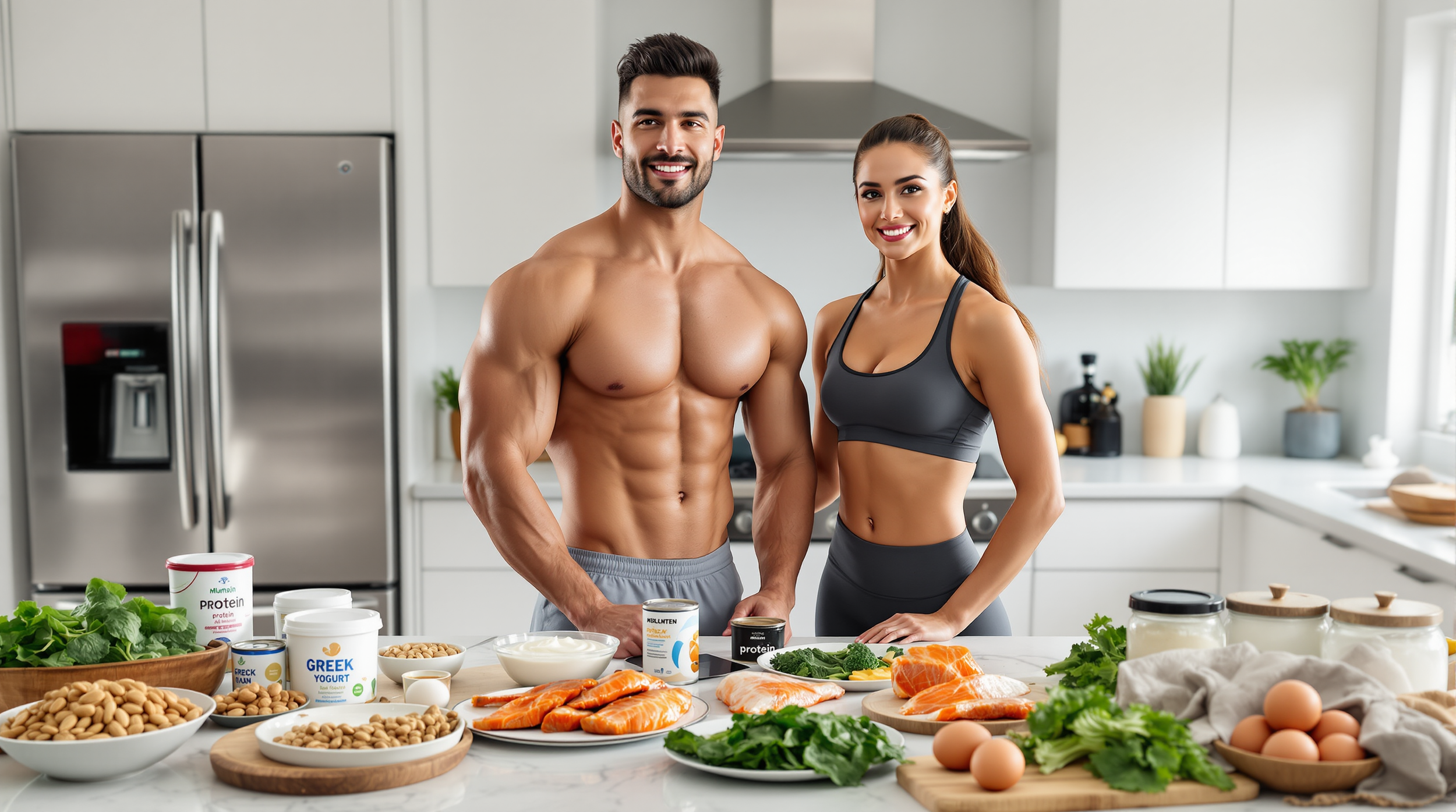
Protein is a vital macronutrient present in every cell of your body. Comprised of amino acids, the building blocks of muscle tissue, hair, skin, and hormones, protein is critical for muscle growth, maintenance, and repair. For those aiming to build or preserve muscle, especially as you age, adequate protein intake is non-negotiable. It’s vital for parents and active adults who want to stay strong, energised, and resilient.
Muscle Protein Synthesis: The Secret to Muscle Growth
Muscle protein synthesis is the process by which your body repairs and builds new muscle fibres after exercise. Consuming enough high-quality protein provides your body with the necessary resources to repair muscle tissue and promote muscle gain. Insufficient protein can hinder these processes, potentially leading to muscle loss instead of growth.
Protein Needs: How Much Protein Do You Need to Build Muscle?
Protein Requirements for Muscle Growth
How much protein is optimal for muscle growth? Your ideal intake depends on factors such as age, activity level, fitness goals, and whether you consume animal-based or plant-based protein sources.
General Recommendation: Research indicates that for building muscle, aim for 1.6 to 2.2 grams of protein per kilogram of body weight per day. For example, a 70 kg individual should target 112–154 grams of protein daily.
Table: Protein Intake Recommendations
Goal Protein per kg Example for 70 kg Person
Maintain Health 0.8 g 56 g
Build Muscle 1.6–2.2 g 112–154 g
Support Muscle (Older Adults) 1.2–1.5 g 84–105 g
Factors That Influence Your Protein Needs
Activity Level: More activity, especially strength or resistance training, increases protein requirements.
Age: Older adults often need more protein to counteract muscle loss.
Body Composition Goals: If you’re aiming to lose fat while retaining muscle, opt for the higher end of the protein range.
Type of Protein Source: Animal-based proteins are more concentrated, but well-planned plant-based diets can also support muscle growth.
Daily Protein Intake: Practical Strategies for Busy Lives
Calculating Your Daily Protein Needs
Here’s how to determine your protein target:
Find your weight in kilograms. (To convert pounds to kilograms, divide by 2.2.)
Multiply your body weight by 1.6 to 2.2.
Example: 70 kg x 1.8 = 126 grams of protein per day.
Spreading Protein Intake Throughout the Day
Research shows that distributing protein evenly across your meals maximises muscle protein synthesis. Aim for 20–40 grams of protein per meal for optimal absorption and utilisation.
Example Daily Protein Routine
Meal Protein Source Grams of Protein
Breakfast Greek yoghurt + seeds 25
Snack Protein shake 25
Lunch: Chicken breast salad 35
Snack Cottage cheese + fruit 20
Dinner Lentil stew + quinoa 30
Total 135
High-Quality Protein Sources
Animal-Based Proteins: Eggs, chicken, turkey, lean beef, fish, milk, cheese, yoghurt.
Plant-Based Proteins: Lentils, chickpeas, beans, tofu, tempeh, quinoa, nuts, seeds, plant-based protein powders.
Finding Your Best Protein Sources
Animal-Based vs. Plant-Based Protein
Both animal and plant-based proteins can support muscle growth:
Animal-Based Protein: Complete proteins containing all essential amino acids; highly bioavailable.
Plant-Based Protein: May lack one or two essential amino acids, but combining different sources (like beans and rice) ensures you receive all the essentials. Plant-based proteins are also rich in fibre and lower in saturated fat.
Tips for Increasing Protein on a Busy Schedule
Batch cook protein-rich meals for the week.
Stock up on high-protein snacks (e.g., nuts, Greek yoghurt, boiled eggs) for on-the-go nourishment.
Add protein powder to smoothies, porridge, or baked goods.
Choose convenient high-protein options at the supermarket, such as tinned tuna or pre-cooked chicken.
Protein Timing: When and How to Eat for Muscle Building
Best Times to Consume Protein
Post-Workout: Aim to eat a protein-rich snack or meal within 1–2 hours after exercise to enhance muscle repair.
Throughout the Day: Distribute protein intake evenly rather than concentrating it in one meal.
Before Bed: A small serving of protein (like cottage cheese) can help reduce overnight muscle breakdown.
How Much Protein Can You Use Per Meal?
Research indicates that consuming 20–40 grams of protein per meal maximises muscle protein synthesis. Consuming more than this at once offers little added benefit, so spread your intake throughout the day.
Should You Use Protein Powder?
Protein powder is a convenient way to help meet your daily protein goals, especially for busy adults and parents. Look for high-quality options (whey, pea, soy, or blended plant proteins) and use them as supplements, not substitutes for whole foods.
Signs You Might Not Be Getting Enough Protein
If you’re falling short on protein, you may notice:
Slow muscle gain or difficulty maintaining muscle mass
Persistent fatigue or low energy
Prolonged recovery after workouts
Frequent hunger or cravings
If these sound familiar, try tracking your protein intake for a week using an app or food diary. You might be surprised!
Building Muscle on a Plant-Based Diet
Vegetarians and vegans can build muscle with a strategic approach:
Vary your protein sources: Combine legumes, grains, nuts, and seeds to get all essential amino acids.
Include plant-based protein powders: Pea, soy, rice, and hemp proteins can boost your intake.
Snack on plant-based, protein-rich foods: Hummus with wholegrain pitta, edamame, or roasted chickpeas are great options.
Beyond Protein: Supporting Muscle Mass and Strength
While protein is vital, don’t overlook these key muscle-building factors:
Strength Training: Regular resistance exercise stimulates muscle growth.
Adequate Calories: Ensure you’re eating enough overall, or your body may use protein for energy instead of muscle synthesis.
Rest and Recovery: Prioritise sleep and rest days to allow muscles to repair and grow.
Sample Meal Plan: Meeting Protein Goals as a Busy Adult
Here’s an example day for a 70 kg parent aiming for around 130 grams of protein:
Breakfast: Scrambled eggs (3) on wholegrain toast with spinach (21g)
Mid-Morning Snack: Greek yoghurt with berries and chia seeds (20g)
Lunch: Quinoa salad with grilled chicken and mixed beans (35g)
Afternoon Snack: Protein smoothie with banana, oat milk, and protein powder (25g)
Dinner: Salmon fillet with roasted sweet potatoes and broccoli (30g)
Evening Snack: Low-fat cottage cheese with pineapple (15g)
Total: 146 grams of protein
Conclusion: Take Action, Your Muscles Will Thank You!
Protein doesn’t have to be complicated. By aiming for 1.6–2.2 grams of protein per kilogram of body weight, spreading your intake across meals, and choosing a variety of protein sources, you can confidently support muscle growth, even with a busy family life. Remember, small, consistent changes make the most significant difference. Next time you’re at the supermarket or planning meals, look for easy ways to boost your protein intake. Your muscles and your energy levels will thank you!
FAQ: Protein and Muscle Building, Your Questions Answered
How much protein do I need per kilogram of body weight to build muscle?
Aim for 1.6–2.2 grams of protein per kilogram of body weight per day. Highly active individuals or those seeking significant muscle gain should target the upper end of this range.
Can I build muscle with plant-based protein?
Absolutely! Combine a variety of plant-based sources (lentils, beans, soy, quinoa, nuts) to obtain all essential amino acids. Plant-based protein powders can also help you reach your daily protein target.
Is it possible to eat too much protein?
Excessive protein intake (over 2.2 grams per kg body weight) isn’t necessary for most people and won’t result in faster muscle growth. Stick within the recommended range for optimal results.
Do I need to consume protein immediately after working out?
The post-workout “anabolic window” isn’t as narrow as once believed, but having a protein-rich meal or snack within 1–2 hours after exercise helps maximise muscle protein synthesis.
Are protein powders safe for adults and parents?
Yes, choose reputable, minimally processed brands. Protein powder is a convenient supplement, but should not replace whole food protein sources.
What are some easy high-protein snacks for busy days?
Greek yoghurt with fruit
Boiled eggs
Protein bars (check the sugar content)
Tinned tuna or salmon
Mixed nuts and seeds
Cottage cheese with berries
How can I tell if I’m getting enough protein?
Track your intake for a week and monitor your energy, muscle growth, and post-exercise recovery. If you struggle with muscle gain or feel fatigued, you may need to increase protein.
Can older adults benefit from higher protein intake?
Absolutely! Enhanced protein intake can help prevent age-related muscle loss and support strength and mobility in older adults.