The Best Beginner Workout Plan: Essential Exercises for New Gym Goers
Starting a fitness journey can feel overwhelming, especially when juggling work, family, and countless other responsibilities. As a personal trainer who has helped hundreds of busy adults transform their bodies and lives, I understand the challenges of finding time for exercise while managing a hectic schedule. The good news? You don't need complicated routines or hours in the gym to see results. This comprehensive beginner workout plan is specifically designed for active adults and restless parents who want to look and feel their best without spending endless hours exercising.
Why Beginners Need a Structured Workout Plan
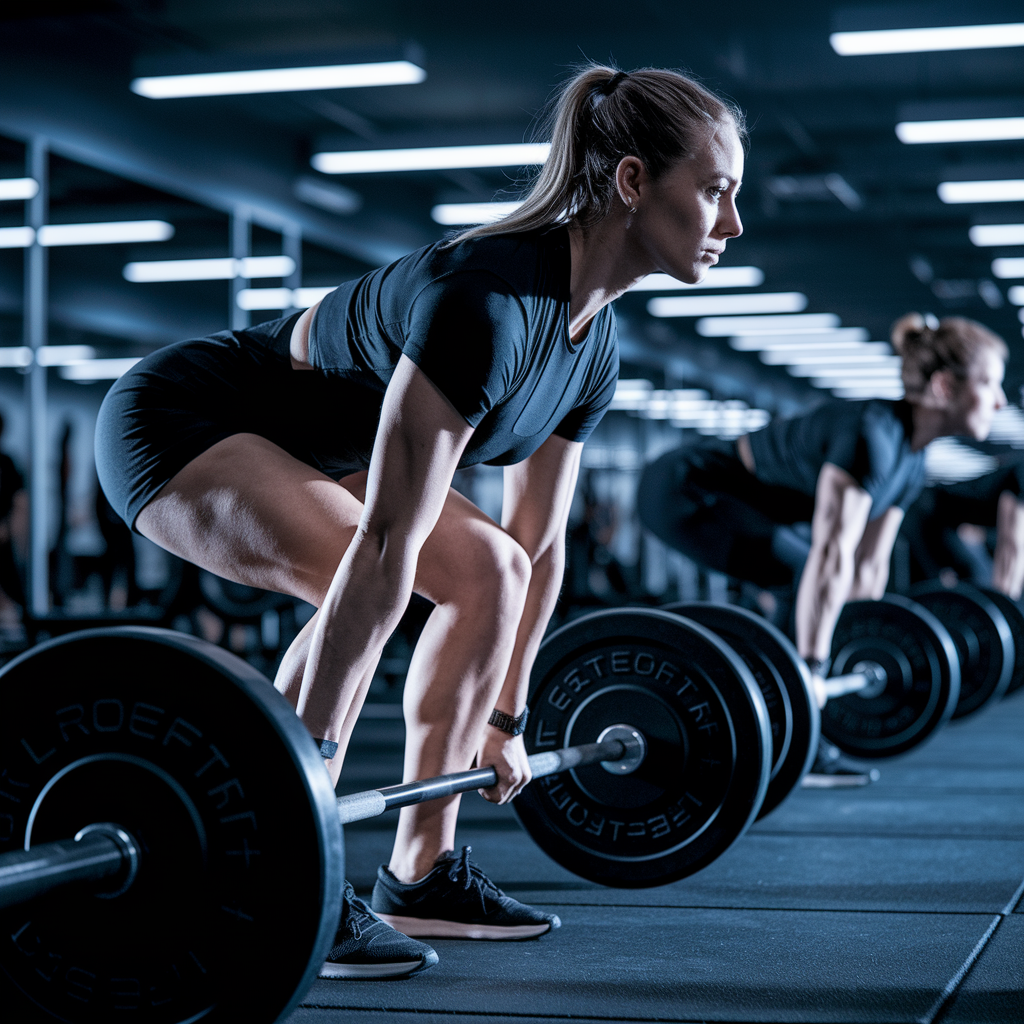
When you first go to the gym, the array of equipment and exercises can be intimidating. Without proper guidance, many new gym-goers either stick to the same few machines or attempt advanced exercises they're not ready for, risking injury and frustration1. A well-designed beginner workout plan provides structure and progression, helping you build confidence while developing proper form and technique.
A good beginner workout routine focuses on fundamental movement patterns that strengthen your body, improve cardiovascular health, and build a solid foundation for more advanced training. By starting with the basics, you'll develop the strength, mobility, and endurance needed for long-term fitness success2.
Essential Equipment for Beginner Gym Workouts
One of the best things about starting a fitness journey is that you don't need fancy equipment or complicated setups. Here's what you'll need for this beginner workout plan:
Dumbbells: Start with lighter weights (5-20 pounds depending on your strength level)
Exercise mat: For floor exercises and stretching
Comfortable clothing: Breathable fabrics that allow free movement
Supportive shoes: Proper footwear prevents injury and improves performance
Water bottle: Staying hydrated is crucial during exercise
Most gyms provide all the equipment you'll need, but if you're working out at home, investing in a few dumbbells and a mat is an excellent starting point9.
Understanding Workout Structure for Beginners
Before diving into specific exercises, let's understand how to structure your workouts for maximum effectiveness:
Frequency: Aim for 3-4 weekly workouts with rest days in between to allow your muscles to recover.
Duration: 30-45 minutes per session is ideal for beginners. Quality trumps quantity!
Intensity: Start with lighter weights and master proper form before increasing resistance.
Progression: Gradually increase weight, reps, or sets as your strength improves.
Rest periods: Take 60-90 seconds between sets to recover properly.
This beginner workout plan follows a full-body approach, so you'll train all major muscle groups in each session. This is perfect for new gym-goers because it maximises efficiency, promotes balanced development, and allows for adequate recovery between workouts3.
Warm-Up: Preparing Your Body for Exercise
Never skip your warm-up! A proper warm-up increases blood flow to your muscles, enhances joint mobility, and prepares your nervous system for the workout. Spend 5-10 minutes doing the following:
Brisk walking or light jogging: 3-5 minutes on a treadmill
Dynamic stretches: Arm circles, leg swings, hip rotations
Bodyweight movements: 10 bodyweight squats, 10 arm circles, 10 walking lunges
A good warm-up reduces injury risk and improves workout performance, making it an essential part of any exercise routine1.
Beginner Cardio Workout
Cardio exercise strengthens the heart, improves lung capacity, and helps manage weight. Beginners should start with moderate-intensity cardio that raises the heart rate without leaving them completely exhausted.
Treadmill Brisk Walk
Duration: 5 minutes
Intensity: Moderate pace with a slight incline (2-3%)
Technique: Maintain good posture with shoulders back and core engaged
Progression: Gradually increase speed or incline as fitness improves
Rowing Machine Basics
Duration: 5 minutes
Technique: Focus on proper form—legs, back, arms on the pull; arms, back, legs on the return
Intensity: Moderate, steady pace
Benefits: Full-body workout that builds cardiovascular endurance while strengthening multiple muscle groups1
Cardio doesn't have to be complicated. Consistency is more important than intensity when you're just starting out. As your fitness improves, you can gradually increase duration and intensity7.
Full Body Strength Training for Beginners
Strength training is the cornerstone of any effective workout plan. It builds muscle, increases metabolism, strengthens bones, and improves overall functionality. This beginner-friendly strength routine targets all major muscle groups using simple, effective exercises.
Lower Body Workout Essentials
Goblet Squat
Muscles worked: Quadriceps, hamstrings, glutes, core
Equipment: One dumbbell
Reps: 10-12
Sets: 3
Technique: Hold a dumbbell at chest height, feet shoulder-width apart. Lower your body by sending your hips back and down, keeping your chest up. Push through your heels to return to standing position313
Dumbbell Lunges
Muscles worked: Quadriceps, hamstrings, glutes, calves
Equipment: Two dumbbells
Reps: 10 per leg
Sets: 2-3
Technique: Hold dumbbells at your sides, step forward with one leg and lower your body until both knees form 90-degree angles. Push through the front heel to return to starting position8
Glute Bridge
Muscles worked: Glutes, hamstrings, lower back
Equipment: Bodyweight (can add a dumbbell for progression)
Reps: 12-15
Sets: 3
Technique: Lie on your back with your knees bent and your feet flat on the floor. Push through your heels to lift your hips toward the ceiling, squeezing your glutes at the top. Lower with control and repeat13
Upper Body Workout Fundamentals
Dumbbell Floor Press
Muscles worked: Chest, shoulders, triceps
Equipment: Two dumbbells
Reps: 10
Sets: 3
Technique: Lie on the floor holding dumbbells at shoulder level. Press the weights straight up over your chest, then lower them back down with control313
Dumbbell Row
Muscles worked: Back, biceps, shoulders
Equipment: One dumbbell
Reps: 10 per arm
Sets: 3
Technique: Place one hand and knee on a bench, holding a dumbbell in the opposite hand. Pull the dumbbell up toward your hip, keeping your elbow close to your body. Lower with control and repeat813
Overhead Shoulder Press
Muscles worked: Shoulders, triceps, upper back
Equipment: Two dumbbells
Reps: 8-10
Sets: 3
Technique: Stand with feet shoulder-width apart, holding dumbbells at shoulder height. Press the weights overhead until arms are fully extended, then lower them back to shoulders38
Core Workout for Beginners
Plank
Muscles worked: Core, shoulders, back
Equipment: None
Duration: Start with 20-30 seconds, build up to 60 seconds
Sets: 3
Technique: Support your body on your forearms and toes, forming a straight line from head to heels. Keep your core tight and breathe normally313
Bird Dog
Muscles worked: Core, lower back, shoulders, glutes
Equipment: None
Reps: 10 per side
Sets: 3
Technique: Start on hands and knees. Simultaneously extend one arm forward and the opposite leg backwards while maintaining a neutral spine. Return to starting position and repeat on the other side3
Dead Bug
Muscles worked: Deep core muscles, hip flexors
Equipment: None
Reps: 10 per side
Sets: 3
Technique: Lie on your back with knees bent and feet raised. Extend one leg and the opposite arm toward the floor while keeping the other limbs steady. Return to starting position and alternate sides3
Circuit Training for Time-Efficient Workouts
For busy parents and active adults, circuit training offers an efficient way to combine strength and cardio in one time-saving workout. Move from one exercise to the next with minimal rest, completing the entire circuit 2-3 times.
Quick Total Body Circuit
Bodyweight squats – 10 reps
Wall push-ups – 10 reps
Marching in place – 1 minute
Dumbbell rows – 10 reps each side
Plank – 30 seconds
Rest: 1-2 minutes before repeating
This circuit takes 15-20 minutes to complete and provides a full-body workout that improves strength, endurance, and cardiovascular health9.
Resistance Band Exercises for Beginners
Resistance bands are versatile, portable, and perfect for beginners. They provide constant tension throughout movements, helping to build strength while being gentle on joints.
Beginner-Friendly Band Workout
Banded squats – 10 reps
Banded rows – 10 reps each side
Banded bicep curls – 10 reps
Banded tricep extensions – 10 reps
Perform 2-3 rounds of this sequence for an effective full-body workout that can be done anywhere9.
Proper Form: The Key to Effective Workouts
Proper exercise form is crucial for beginners. It ensures you target the intended muscles, maximises results, and prevents injuries. Here are some universal form tips:
Maintain neutral spine alignment during all exercises
Breathe consistently – exhale during exertion, inhale during the easier phase
Move with control rather than using momentum
Start with lighter weights to master the technique before increasing resistance
Listen to your body – distinguish between productive discomfort and pain
If you're unsure about your form, consider working with a personal trainer for a few sessions or use mirrors at the gym to check your technique4.
Creating a Weekly Workout Schedule
Consistency is key to seeing results. Here's a sample weekly schedule for beginners:
Monday: Full-body strength training (30-45 minutes)
Tuesday: Light cardio or rest day
Wednesday: Full-body strength training (30-45 minutes)
Thursday: Rest day
Friday: Full-body strength training (30-45 minutes)
Saturday: Light cardio or active recovery (walking, swimming, yoga)
Sunday: Complete rest day
This balanced approach provides enough stimulus for progress while allowing adequate recovery. Remember, rest days are when your body rebuilds and strengthens, making them essential to your fitness journey8.
Progression: Taking Your Workout to the Next Level
As your fitness improves, you must progressively challenge your body to continue seeing results. Here are ways to advance your workouts:
Increase weight: When you can complete all sets and reps with good form, try slightly heavier dumbbells
Add reps or sets: Increase from 10 to 12 reps or add set
Decrease rest periods: Shorten rest between sets from 90 to 60 seconds
Increase workout frequency: Move from 3 to 4 sessions per week
Try more challenging variations: Progress from wall push-ups to floor push-ups
Progress should be gradual and sustainable. Small, consistent improvements lead to significant long-term results14.
Cool Down and Recovery for Beginners
Never skip your cool-down! Proper recovery is essential for reducing muscle soreness and improving flexibility. Spend 5-10 minutes after each workout doing the following:
Light cardio: 3-5 minutes of walking to lower heart rate gradually
Static stretching: Hold each stretch for 20-30 seconds
Hamstring stretch
Quad stretch
Shoulder stretch
Chest stretch
Lower back stretch
Additionally, ensure you drink plenty of water, eat nutritious foods, and get adequate sleep to support your recovery and progress9.
Conclusion: Building Consistency for Lasting Results
Starting a fitness journey is a powerful step toward improving your health, energy levels, and quality of life. This beginner workout plan provides all the essential elements to build strength, improve cardiovascular health, and develop proper exercise techniques.
Remember that fitness is a marathon, not a sprint. Focus on consistency rather than perfection, and celebrate small victories along the way. As a busy adult or parent, finding time for exercise can be challenging, but even short, effective workouts can yield significant results when done consistently.
Listen to your body, progress at your own pace, and enjoy the process of becoming stronger and healthier. With this beginner-friendly approach, you're setting yourself up for sustainable fitness success that fits your busy lifestyle.
FAQ: Common Questions About Beginner Workouts
How often should beginners work out?
Beginners should aim for 3-4 weekly workout sessions with rest days in between. This frequency provides enough stimulus for progress while allowing adequate recovery time. As your fitness improves, you can gradually increase frequency if desired2.
How long should a beginner workout last?
For beginners, 30-45 minutes per session is ideal. Quality is more important than quantity—a focused, properly executed shorter workout is more effective than a longer session with poor form or excessive fatigue1.
When will I start seeing results from my workouts?
You may notice improvements in energy and mood within the first 1-2 weeks. Physical changes typically become noticeable after 4-6 weeks of consistent training. Remember that progress varies based on genetics, nutrition, sleep quality, and workout consistency14.
Should beginners focus on cardio or strength training?
A balanced approach that includes cardio and strength training is optimal for beginners. Strength training builds muscle and increases metabolism, while cardio improves heart health and endurance. This workout plan incorporates both elements for comprehensive fitness development7.
Is it normal to feel sore after working out?
Yes, mild to moderate muscle soreness (called Delayed Onset Muscle Soreness or DOMS) is normal, especially when you're new to exercise or trying new movements. This typically peaks 24-48 hours after exercise and should gradually subside. Proper warm-up, cool-down, and progressive overload can help manage soreness4.
Do I need a personal trainer as a beginner?
While not necessary, working with a personal trainer for a few sessions can be incredibly beneficial for beginners. A qualified trainer can teach proper form, provide personalised guidance, and help you develop an effective workout plan tailored to your specific goals and needs10.
What should I eat before and after a workout?
Before a workout, aim for a light meal or snack containing carbohydrates and protein about 1-2 hours before exercise (e.g., banana with peanut butter). After your workout, consume a combination of protein and carbohydrates within 30-60 minutes to support recovery (e.g., Greek yoghurt with fruit or a protein shake)7.
How do I know if I'm using the proper weight?
The correct weight should be challenging but manageable with proper form. As a guideline, the weight is too light if you can easily perform 15+ repetitions. If you struggle to complete 8 repetitions with good form, it's too heavy. For beginners, err on the lighter side while mastering technique1014.
Citations:
https://www.nuffieldhealth.com/article/gym-workouts-for-beginners
https://www.planetfitness.com/community/articles/beginner-workout-plan-your-first-week-gym
https://www.anytimefitness.com/ccc/workouts/beginner-strength-workout-how-to-get-started-in-the-gym/
https://mirafit.co.uk/blog/why-correct-exercise-form-is-important/
https://www.exercise.com/grow/fitness-and-gym-keywords-for-seo/
https://www.healthline.com/nutrition/workout-routine-for-men
https://www.gofit-gym.com/best-gym-exercises-for-busy-parents/
https://www.healthline.com/health/fitness-exercise/free-weight-exercises
https://www.puregym.com/blog/the-best-gym-workout-plans-for-beginners/
https://www.menshealth.com/uk/building-muscle/a45583853/weight-training-for-beginners/
https://www.nhs.uk/live-well/exercise/physical-activity-guidelines-for-adults-aged-19-to-64/
https://www.puregym.com/blog/the-best-gym-workout-plan-for-gaining-muscle/
https://www.muscleandstrength.com/workouts/12-week-beginners-training-routine.html
https://www.healthline.com/health/fitness-exercise/free-weight-exercises
https://www.nerdfitness.com/blog/a-beginners-guide-to-the-gym-everything-you-need-to-know/
https://www.healthline.com/nutrition/how-to-start-exercising
https://www.nerdfitness.com/blog/how-to-exercise-with-your-kids-work-out-as-a-family/
https://www.muscleandstrength.com/workouts/recommit-to-fit-2-week-plan
https://www.today.com/health/31-day-strength-training-plan-beginners-t226958
https://www.nuffieldhealth.com/article/gym-workouts-for-beginners
https://www.fitnessfirst.co.uk/blog/the-ultimate-beginners-guide-to-the-gym
https://www.lilleshallnsc.co.uk/nsc/news/health-fitness-jargon-explained/
https://www.thegymgroup.com/blog/gym-workout-plan-for-beginners/
https://www.nuffieldhealth.com/article/gym-floor-exercise-jargon-terms-buster
https://www.nxteppersonaltraining.co.uk/blog/the-importance-of-proper-form-in-exercise
https://www.anytimefitness.com/ccc/workouts/beginner-strength-workout-how-to-get-started-in-the-gym/
https://jackcityfitness.com/why-having-proper-fitness-form-technique-is-important/
https://www.nerdfitness.com/blog/how-to-build-your-own-workout-routine/
https://goteamup.com/resources/seo-keywords-for-gyms-fitness-businesses
https://www.health.harvard.edu/exercise-and-fitness/the-4-most-important-types-of-exercise
https://www.womenshealthmag.com/uk/fitness/workouts/a707720/gym-workout/
https://www.fitnessfirst.co.uk/blog/fitness-jargon-buster-talking-the-workout-talk
https://www.e-motionfitnesshub.com/blog/proper-form-in-strength-training
https://www.allencarr.com/easyway-enjoy-exercise/types-of-exercise/
https://www.planetfitness.com/community/articles/types-of-fitness-training