6 Reasons Cardio Isn’t Helping You Lose Weight and See Results
Struggling to lose weight even though you’re logging hours on the treadmill? You’re not alone. Many active adults and restless parents are frustrated when cardio workouts don’t deliver the expected weight loss or fat loss. Let’s break down the six most common reasons why cardio alone may not be helping you burn more calories, lose body fat, or see the results you want—and what you can do to get back on track with weight management.
1. Cardio and Calorie Deficit: You’re Not in a True Calorie Deficit
When it comes to losing weight, the most fundamental principle is creating a calorie deficit—burning more calories than your body needs or consumes. Cardio workouts help increase your energy expenditure, but eating back the calories you burn is surprisingly easy. For example, a 30-minute treadmill session might burn 300–400 calories, but a post-workout snack or sports drink can quickly erase that deficit141.
Studies show that exercise alone, without dietary changes, often leads to modest weight loss, sometimes as little as 2–6 pounds over several months17.
Many people overestimate how many calories they burn during cardio and underestimate how many calories they eat, making it hard to achieve the calorie deficit needed for fat loss141.
What to do:
Track your calorie intake honestly and use a food diary or app. Remember, weight loss is about balancing calories in and out. Cardio helps, but diet is key for sustained results519.
2. Cardio and Appetite: Cardio Can Increase Hunger and Lead to Overeating
Have you ever finished a sweaty cardio workout and felt ravenous? You’re not imagining it. Cardio, especially long or intense sessions, can spike your appetite, making you more likely to eat extra calories and undo your hard work21317.
Aerobic workouts can cause drops in blood sugar, increasing cravings for high-calorie foods.
Some reward themselves after a challenging workout with treats, negating the calorie burn117.
What to do:
Plan balanced meals and snacks with protein and fibre to keep you full. Avoid “rewarding” yourself with high-calorie foods after workouts. Drink water or zero-calorie drinks post-workout instead of sugary sports drinks117.
3. Cardio Plateau: Your Body Adapts and Burns Fewer Calories Over Time
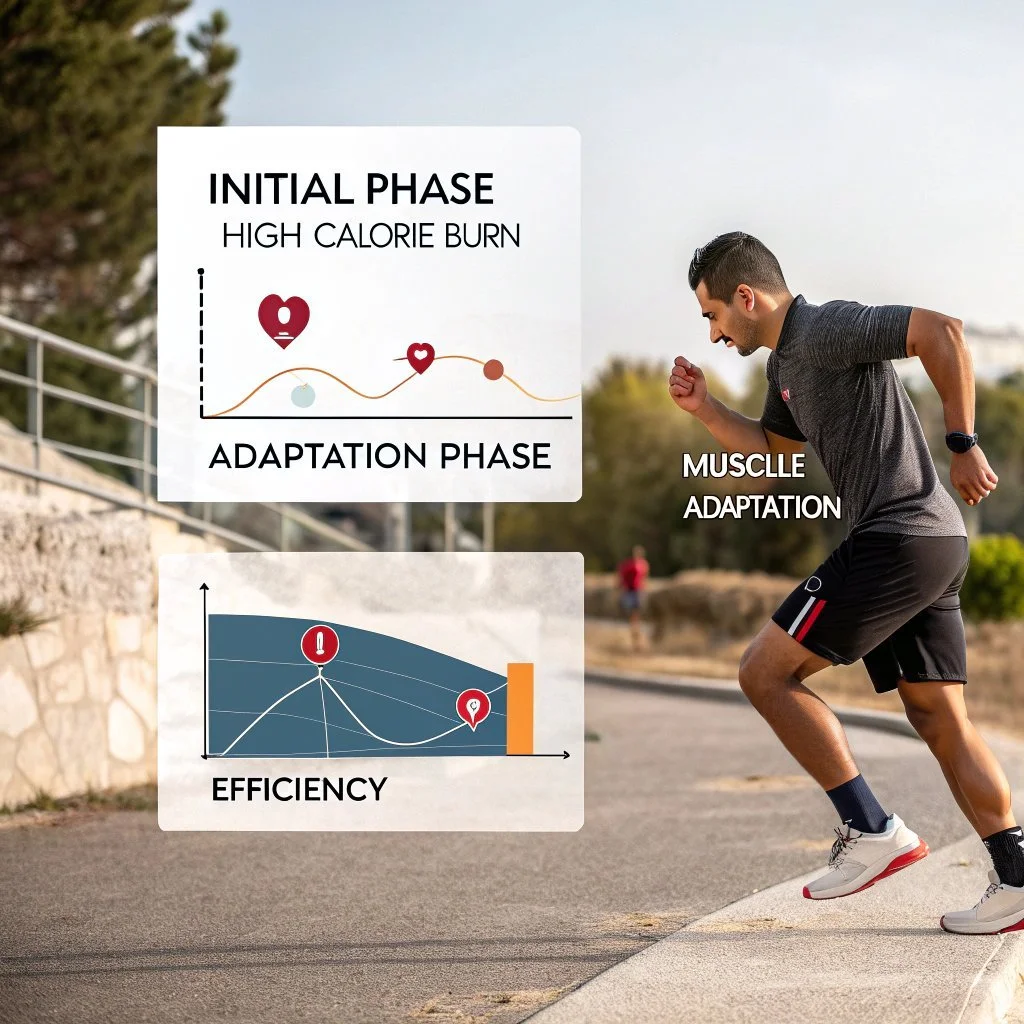
The body is smart—it adapts to repeated cardio workouts, making them less effective for burning calories as time goes on. This is known as the “cardio plateau.” When you first start a new workout, your calorie expenditure is high. But as your fitness improves, your body becomes more efficient, and you burn fewer calories doing the same workout1413.
Studies show that after several weeks of the same cardio routine, your heart, lungs, and muscles use less energy for the same effort1417.
To continue burning calories and losing weight, you may need to increase the intensity, duration, or variety of your workouts13.
What to do:
Mix up your workouts. Try interval training (HIIT), add resistance training, or change your cardio routine every few weeks to keep your body guessing and metabolism active46.
4. Cardio vs. Resistance Training: Neglecting Strength Training Slows Your Metabolism
If your workout routine is all cardio and no resistance training, you’re missing a crucial piece of the fat loss puzzle. While cardio burns calories during the workout, resistance training (like lifting weights or using resistance bands) builds muscle, which increases your resting metabolic rate, helping you burn more calories even when you’re not exercising8199.
Muscle tissue burns more calories at rest than fat tissue. Losing muscle through excessive cardio or lack of strength training can slow your metabolism and make weight management harder819.
Combining cardio with resistance training leads to greater fat loss and better body composition than cardio alone5915.
What to do:
Aim for at least 2–3 weekly resistance training sessions, focusing on major muscle groups. This helps preserve and build muscle, supporting a higher metabolic rate and more effective weight loss81915.
5. Cardio and Diet: Overestimating Calories Burned, Underestimating Calories Consumed
Many people believe cardio burns huge calories, but the reality is more modest. For example, running at a moderate pace for 30 minutes might burn 300–400 calories, depending on your weight and intensity1419. Eating back those calories with a single snack or meal is easy.
Studies show that people often overestimate the calories burned during exercise and underestimate how much they eat141.
Sports drinks, energy bars, and “healthy” snacks can be calorie-dense and quickly erase any deficit created by your workout117.
What to do:
Be mindful of portion sizes and read nutrition labels. Focus on whole foods, lean proteins, and plenty of vegetables. Avoid high-calorie drinks and snacks unless you genuinely need them for long-duration workouts117.
6. Cardio and Weight Loss Plateaus: Ignoring Non-Exercise Activity (NEAT) and Daily Movement
If you’re only active during your workouts and sedentary the rest of the day, you may not burn as many calories as you think. Non-exercise activity thermogenesis (NEAT)—the calories you burn through daily movement like walking, fidgeting, or doing chores—plays a big role in total energy expenditure21215.
Cardio sessions can sometimes lead to less movement the rest of the day (e.g., sitting more because you “earned” it), reducing overall calorie burn212.
Studies show that increasing NEAT throughout the day can help break weight loss plateaus and support long-term fat loss123.
What to do:
Stay active outside of your workouts. Take walking breaks, use the stairs, play with your kids, or do household chores. Every bit of movement counts toward your daily calorie expenditure123.
Conclusion: Cardio, Lose Weight, and the Power of a Balanced Approach
Cardio is an excellent tool for heart health, stress relief, and burning calories—but it’s not a magic bullet for weight loss. To lose body fat and see real results, focus on creating a sustainable calorie deficit through diet and exercise. Combine cardio with resistance training to boost metabolism, preserve muscle, and burn more calories daily. Mix up your workouts, stay active daily, and be honest about your calorie intake.
Above all, remember that weight management is a marathon, not a sprint. Celebrate your progress, stay consistent, and don’t be afraid to ask for help from a personal trainer or nutrition professional if you hit a plateau.
FAQ: Cardio, Weight Loss, and Fat Loss
Q1: How much cardio do I need to lose weight?
Most guidelines recommend 150–300 minutes of moderate-intensity aerobic exercise or 75–150 minutes of vigorous cardio per week for general health and weight management518. Combining cardio with resistance training is most effective for fat loss.
Q2: Is cardio or resistance training better for fat loss?
Both are important. Cardio helps burn calories during the workout, while resistance training builds muscle, increasing your metabolic rate and helping you burn more calories at rest81915.
Q3: Why am I not losing weight even though I do daily cardio?
You may not be in an actual calorie deficit, your body may have adapted to your workout, or you may be eating more due to increased appetite. Review your diet, mix up your workouts, and add resistance training1143.
Q4: Can I lose weight with just cardio?
You can lose weight with cardio if you maintain a calorie deficit, but you risk losing muscle mass and slowing your metabolism. For best results, combine cardio with strength training and a healthy diet8199.
Q5: Does cardio make you hungrier?
Yes, especially long or intense sessions. This can lead to overeating and cancel out your calorie burn. Plan balanced meals and avoid high-calorie rewards after workouts21317.
Q6: What is NEAT, and why does it matter?
NEAT stands for non-exercise activity thermogenesis, which is the calories you burn through daily movement. Increasing NEAT can help break plateaus and support weight loss, especially if you’re otherwise sedentary21215.
Remember: Cardio is just one piece of the weight loss puzzle. Combine it with strength training, a balanced diet, and plenty of daily movement for lifelong fitness. You’ve got this!
Citations:
https://www.bbcgoodfood.com/health/weight-loss/exercise-weight-loss-tips/
https://gravity.fitness/blogs/training/fitness-myths-cardio-doesnt-work-for-weight-loss
https://www.mayoclinic.org/healthy-lifestyle/weight-loss/in-depth/weight-loss-plateau/art-20044615
https://www.anytimefitness.com/ccc/coach/cardio-for-weight-loss/
https://www.healthline.com/health/how-much-cardio-to-lose-weight
https://www.mensjournal.com/health-fitness/best-types-cardio-workouts-weight-loss
https://www.prevention.com/weight-loss/a41046481/what-exercise-burns-the-most-calories/
https://www.ideafit.com/resistance-training-affects-metabolism/
https://humanfitproject.com/fitness-workouts/aesthetics/faq-is-cardio-the-best-way-to-lose-weight/
https://www.medicalnewstoday.com/articles/cardio-to-lose-weight
https://www.webmd.com/obesity/features/8-ways-to-burn-calories-and-fight-fat
https://athleanx.com/for-women/4-reasons-why-cardio-doesnt-work-for-weight-loss
https://shop.bodybuilding.com/blogs/training/why-cardio-isn-t-the-first-step-to-losing-weight
https://www.annmariegianni.com/why-cardio-might-not-actually-help-you-lose-weight/
https://www.nytimes.com/2023/01/03/well/move/strength-training-cardio-exercise.html
https://www.healthline.com/nutrition/cardio-vs-weights-for-weight-loss
https://www.menshealth.com/uk/fitness/a44397578/cardio-before-or-after-weights/
https://www.webmd.com/fitness-exercise/what-to-know-heart-rate-fat-burning-cardio
https://ultimatepersonalwellbeing.co.uk/nutrition-blog/why-might-i-not-be-losing-weight-with-cardio/
https://www.vox.com/2016/4/28/11518804/weight-loss-exercise-myth-burn-calories
https://steelfitusa.com/blogs/exercise-and-training/why-cardio-is-not-the-answer-for-weight-loss
https://www.grenade.com/blogs/all/5-key-reasons-why-youre-not-burning-fat
https://www.insidetracker.com/a/articles/so-you-hit-a-weight-loss-plateau-heres-why
https://www.healthline.com/nutrition/20-reasons-you-are-not-losing-weight
https://www.verywellfit.com/cardio-and-weight-training-and-fat-loss-3498325
https://247fitness.co/blog/benefits-of-combining-cardio-and-strength-training
https://www.healthline.com/health/fitness/4-week-workout-plan-for-weight-loss
https://www.nerdfitness.com/blog/what-burns-more-calories-cardio-intervals-or-weight-training/
https://theconversation.com/resistance-training-heres-why-its-so-effective-for-weight-loss-146453
https://www.reddit.com/r/loseit/comments/1865ojk/seeking_advice_on_combining_cardio_with_weight/
https://www.webmd.com/fitness-exercise/ss/slideshow-exercises-weightloss
https://www.healthline.com/health/what-exercise-burns-the-most-calories
https://www.mayoclinic.org/healthy-lifestyle/weight-loss/in-depth/metabolism/art-20046508
https://www.healthline.com/nutrition/does-exercise-cause-weight-loss
https://www.muscleandstrength.com/articles/best-cardio-for-fat-loss
https://theslimmingclinic.com/blog/get-out-of-your-weight-loss-plateau
https://www.nhs.uk/live-well/healthy-weight/managing-your-weight/tips-to-help-you-lose-weight/
https://www.muscleandstrength.com/articles/cardio-question-what-type-cardio-best-fat-loss.html
https://www.manual.co/blog/when-does-a-weight-loss-plateau-end
https://www.everyoneactive.com/content-hub/fitness/cardio-to-lose-weight/