BJJ & MMA: Effective Hip Pain Management in Brazilian Jiu Jitsu
Introduction
Brazilian Jiu Jitsu (BJJ) and Mixed Martial Arts (MMA) are dynamic, challenging, and rewarding disciplines for both dedicated athletes and busy parents seeking a physical outlet. Whether you're squeezing in training between work and family commitments or using grappling as your go-to stress reliever, the excitement of mastering new techniques and rolling with teammates is hard to beat. However, hip pain is a common obstacle that can threaten your performance and enjoyment on the mats.
If you’re experiencing hip discomfort, you’re not alone. The encouraging news is that with the right strategies, you can manage hip pain, restore your range of motion, and return to training stronger than before. This comprehensive guide covers the essentials of hip health in BJJ, offers practical pain management advice, and outlines daily routines to help you roll pain-free and perform at your best.
Understanding Hip Pain in BJJ
Why Is Hip Pain Prevalent in Brazilian Jiu Jitsu?
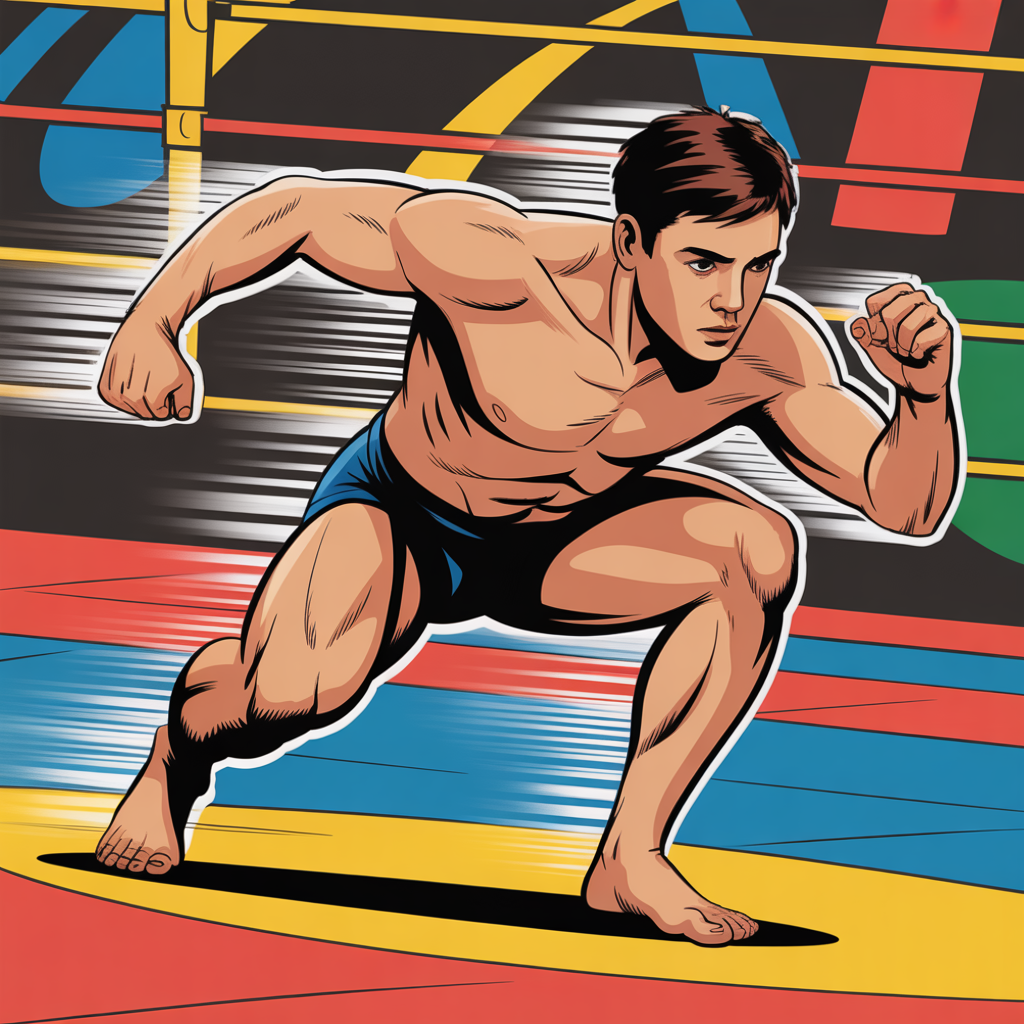
BJJ requires a blend of dynamic movements, explosive drills, and sustained holds, constantly challenging the hips and pelvic region. Movements such as shrimping, bridging, guard retention, and lateral scoots put significant strain on the hip joints. While the hip is designed for a wide range of motion, repetitive stress, awkward positions, and even minor injuries can result in persistent pain if left unaddressed.
Common Causes of Hip Pain for Grapplers
Overuse and Repetition: Frequent drilling of sweeps, submissions, and escapes can overload the gluteus, hip flexors, and thigh muscles.
Limited Hip Mobility: Tight hips restrict movement, leading to compensatory patterns and potential back pain.
Acute Injuries: Sudden twists or impacts may strain muscles and ligaments surrounding the pelvis.
Muscle Imbalances: Weak glutes or core muscles can cause the hips to absorb excessive stress.
The Fundamentals: Hip Anatomy and Mobility in BJJ
The Importance of the Pelvic Region in BJJ
The pelvis serves as your body’s powerhouse during grappling, linking your upper and lower body to transmit force during sweeps, passes, and submissions. Maintaining a stable and mobile pelvic region is crucial for optimal performance and injury prevention in both Brazilian Jiu-Jitsu (BJJ) and Mixed Martial Arts (MMA).
Key Muscles: Glutes, Hip Flexors, and Thighs
Glutes: The gluteus maximus and medius stabilise your hips during squats, bridges, and lateral transitions.
Hip Flexors: Muscles like the iliopsoas are vital for guard retention and leg elevation.
Thigh Muscles: Quadriceps and hamstrings are engaged in hip escapes, takedowns, and transitions.
Why Hip Mobility Matters in Brazilian Jiu Jitsu
Good hip mobility enables smoother guard work, better posture during passes, and a reduced risk of injury. Restricted hips can overload the lower back and knees, often causing discomfort during and after training sessions.
Strategies for Managing and Preventing Hip Pain
Essential Warm-Up Drills for Healthy Hips
A proper warm-up prepares your hips for the demands of grappling. Prioritise dynamic movements that target the pelvic region to increase blood flow and flexibility:
Hip Circles: Stand upright and rotate your hips in large circles to loosen the joints.
Lateral Leg Swings: Swing your legs side to side to activate abductors and adductors.
Deep Squats: Lower into a squat with heels grounded to stretch glutes and thighs.
Glute Bridges: Lie on your back, feet planted, and lift your hips to engage glutes and pelvic stabilisers.
Daily Hip Mobility Drills and Stretches
Consistently performing mobility drills can dramatically improve your hip function. Incorporate these into your daily routine:
1. 90/90 Hip Stretch
Sit with one leg bent in front at 90° and the other behind at 90°. Lean forward gently to stretch the hips; switch sides after 30 seconds.
2. Pigeon Pose
A yoga staple, pigeon pose opens the glutes and hip flexors. Bring one knee forward and extend the opposite leg back, keeping hips square.
3. Lateral Squat (Cossack Squat)
Stand with feet wide, shift weight to one side, squatting down while keeping the other leg straight. This improves lateral hip mobility and stretches the inner thigh.
4. Butterfly Stretch
Sit with the soles of your feet together, gently pushing knees toward the ground to open the hips and pelvic area.
Strengthening the Supporting Muscles
Robust glute and thigh muscles protect your hips during grappling. Try these simple yet effective exercises:
Bodyweight Squats: Three sets of 15 reps, focusing on a full range of motion.
Clamshells: Lying on your side with knees bent, open the top knee while keeping feet together to target the gluteus medius.
Standing Hip Abductions: Stand tall, lift one leg to the side with your core braced and your hips square.
BJJ-Specific Hip Health Drills
Integrate these BJJ drills into your warm-ups and workouts for functional hip mobility:
Shrimping (Hip Escape Drill): Slide your hips backwards while on your back to mimic escaping bottom positions.
Technical Stand-Up: Learn to stand up safely and powerfully using your hips and thighs.
Granby Roll: This rolling manoeuvre develops fluid hip rotation and spine mobility.
Managing Hip Pain: Practical Tips for Busy Grapplers
Listen to Your Body
While it’s tempting to push through discomfort, ignoring hip pain can lead to more serious injuries. If you feel sharp or persistent pain, pause and assess your movement patterns before continuing.
Modify Your Training
Reduce Intensity: Scale back pace or avoid high-impact drills during flare-ups.
Prioritise Technique: Use lighter drilling sessions to refine your form while minimising strain.
Rest and Recover: Allow yourself rest days and ensure adequate sleep for optimal recovery.
Apply Heat and Ice
Use a heating pad before training to relax tense muscles, and apply ice after sessions to reduce inflammation, particularly following acute pain.
Seek Professional Guidance When Needed
If pain persists or worsens, consult a physical therapist or sports medicine specialist experienced with BJJ athletes. They can assess pelvic alignment, correct muscle imbalances, and create a personalised rehabilitation plan.
Daily Routines for Hip Health in BJJ
Morning Mobility Routine (10 Minutes)
Hip circles (1 minute)
90/90 hip stretch (1 minute per side)
Glute bridges (2 sets of 15 reps)
Cat-cow stretch for spine and pelvis (1 minute)
Pre-Training Warm-Up
Lateral leg swings (30 seconds per leg)
Deep squats (3 sets of 10 reps)
Shrimping drill (2 minutes)
Butterfly stretch (1 minute)
Evening Recovery
Pigeon pose (1 minute per side)
Foam roll glutes and thighs (2 minutes)
Gentle supine twist (1 minute per side)
Preventing Back Pain Linked to Hip Issues
Limited hip mobility often forces your lower back to compensate, leading to stiffness or pain. Maintaining healthy, mobile hips can significantly reduce your risk of developing back pain. Incorporate stretches that target both hips and lower back, such as child’s pose or figure-four stretch, into your routine.
Conclusion: Take Charge of Your Hip Health
Hip pain doesn’t have to sideline your BJJ or MMA training. By prioritising hip mobility, strengthening glutes and pelvic muscles, and tuning into your body’s signals, you can prevent and manage discomfort. Make these exercises and routines part of your daily regimen—your hips (and training partners) will thank you! Consistency is key, whether you’re a veteran grappler or a busy parent fitting in mat time.
Ready to roll pain-free? Start implementing these tips now to reclaim your range of motion and enjoy more effective, enjoyable training sessions!
Frequently Asked Questions (FAQ)
1. Why do my hips hurt after BJJ class?
Hip pain often results from tight muscles, overuse, limited mobility, or suboptimal technique during drills and grappling. Address these issues with regular mobility work and strengthening exercises.
2. Can hip pain in BJJ lead to back pain?
Absolutely. Tight or weak hips often force the lower back to compensate, leading to discomfort or injury. Maintaining mobile and strong hips is essential for back health.
3. What are the best stretches for hip pain relief?
Effective stretches include the 90/90 hip stretch, pigeon pose, butterfly stretch, and lateral (Cossack) squat. These target the pelvic region, glutes, and thighs.
4. Should I train in Brazilian Jiu-Jitsu (BJJ) if I have hip pain?
If your pain is mild, reduce intensity and focus on technique. For sharp or persistent pain, rest and consult a healthcare professional before continuing.
5. How often should I do hip mobility drills?
Aim for daily mobility work—even 10 minutes a day makes a significant difference. Consistency trumps duration.
6. What strength exercises support the hips?
Bodyweight squats, glute bridges, clamshells, and lateral leg raises are excellent for building hip and glute strength.
7. How do I know if my hip pain is serious?
Seek immediate medical attention if you experience severe pain, swelling, bruising, or inability to move your leg. For ongoing discomfort, consult a physical therapist for further evaluation and treatment.
8. Are there BJJ-specific drills to improve hip mobility?
Yes! Shrimping, technical stand-ups, and Granby rolls are BJJ-specific drills that enhance hip mobility and functional movement patterns.