Pilates and Strength Training: The Ultimate Exercise Guide for Lower Back Health
Introduction: Why Lower Back Health Matters for Active Adults and Busy Parents
Have you ever felt a twinge in your lower back after lifting your toddler or finishing a long day at work? If so, you're not alone. Lower back pain is one of the most common issues facing active adults and parents juggling multiple responsibilities. With the demands of work, family, and self-care, it's easy to overlook your well-being, especially the health of your lower back.
The good news? The right exercise program, especially one that includes Pilates and strength training, can help you strengthen your lower back, reduce chronic pain, and boost your overall quality of life.
In this comprehensive guide, discover how Pilates and strength training can become your go-to solutions for a healthier lumbar spine. Whether you're a fitness enthusiast or just starting your journey to better back health, you'll find actionable tips and routines tailored to real-life needs.
Understanding Lower Back Pain and the Power of Exercise
What Causes Lower Back Pain?
Lower back pain—also known as lumbar pain—can arise from various factors. For parents, it often results from lifting children or carrying heavy items. For active adults, it may stem from intense workouts or prolonged periods of sitting at a desk. The lumbar spine supports much of your body's weight and provides flexibility, but it's vulnerable to strains and chronic discomfort.
Why Exercise is Essential for Lumbar Spine Health
Exercise goes beyond aesthetics—it's a proven strategy for managing and preventing lower back pain. Regular movement strengthens your back and core muscles, enhances flexibility, and supports a healthy lumbar spine. An effective exercise routine can also alleviate chronic low back pain and minimise the risk of future flare-ups.
Pilates: Gentle Yet Effective Exercise for Lower Back Pain Relief
What Is Pilates?
Pilates is a low-impact, highly effective form of exercise that emphasises controlled movement, core strength, and proper body alignment. Developed by Joseph Pilates, this method targets the abdominal muscles, back muscles, and pelvic floor, making it ideal for strengthening the lower back and improving posture.
How Pilates Relieves Chronic Low Back Pain
Many physical therapists recommend Pilates for those dealing with chronic low back pain. Pilates focuses on building a strong core—the group of muscles that includes your abs and those surrounding the lumbar spine. A robust core stabilises and supports the lumbar region, reducing stress and discomfort during daily activities.
Key Pilates Exercises for Lower Back Health
Pelvic Tilt
How to do it: Lie on your back with knees bent and feet flat on the floor. Gently tilt your pelvis upward, pressing your lower back into the floor. Hold for a few seconds, then relax.
Benefits: Engages the abdominal muscles and supports lumbar spine alignment.
Bridge
How to do it: Lie on your back with knees bent. Lift your hips toward the ceiling, squeezing your glutes and core. Hold, then lower slowly.
Benefits: Strengthens your back, glutes, and core, providing essential support for the lumbar region.
Bird Dog
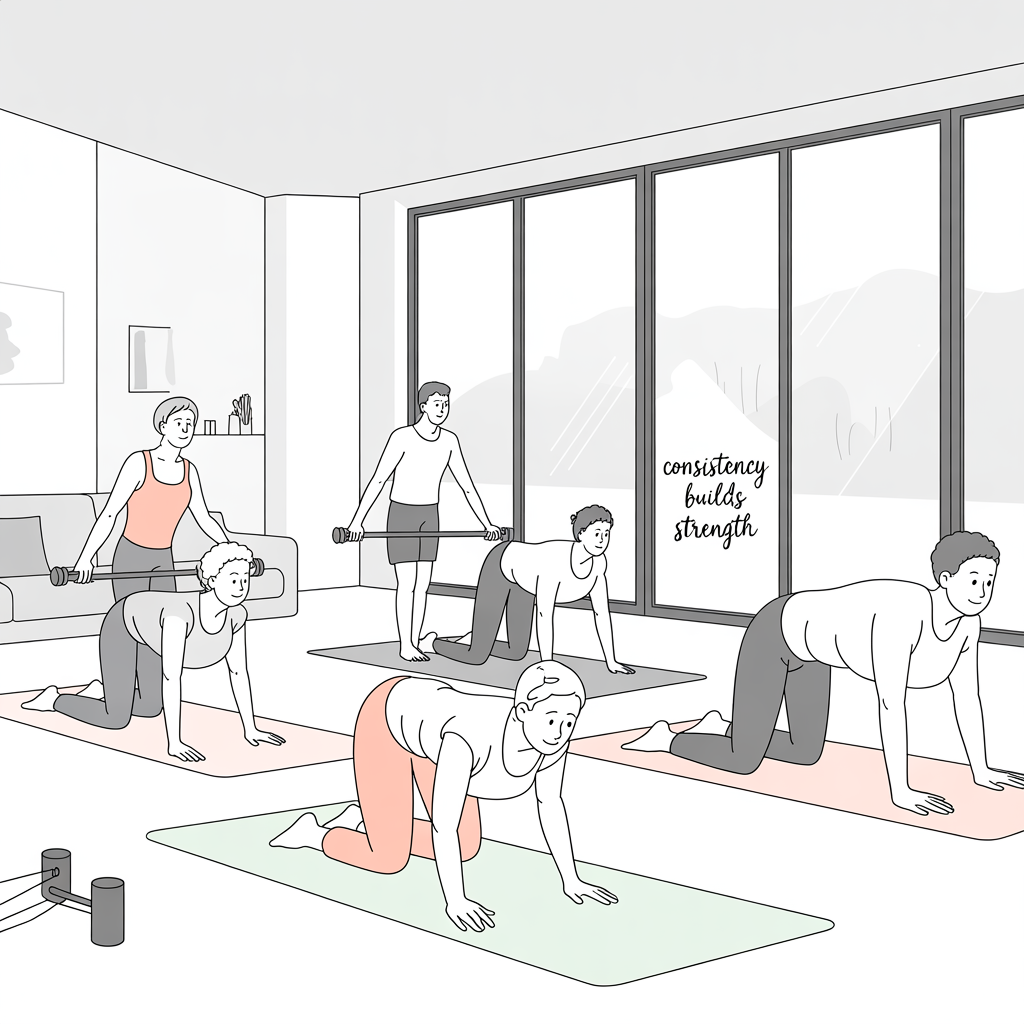
How to do it: Start on all fours. Extend your right arm and left leg while keeping your back flat. Hold, then switch sides.
Benefits: Enhances core strength and balance, stabilising the lumbar spine.
Strength Training and Resistance Training for a Stronger Lower Back
The Importance of Strength Training for Lumbar Support
Strength training—also known as resistance training—uses weights, bands, or body weight to build muscle. Strong back and core muscles act as a natural brace for your lumbar spine, making everyday movements safer and reducing the likelihood of injury.
Key Strengthening Exercises for Lower Back Support
Deadlifts (with proper form!)
How to do it: Stand with feet hip-width apart, holding weights in front of your thighs. Hinge at the hips (not the back), keep your spine neutral, and lift the weights. Lower with control.
Tips: Begin with light weights and prioritise proper form. Consult a physical therapist or certified trainer if unsure.
Plank
How to do it: Rest on your forearms and toes, keeping your body in a straight line. Engage your abs and glutes. Hold as long as comfortable.
Benefits: A full-body exercise that targets the core and supports the lower back.
Superman
How to do it: Lie face down with arms extended forward. Lift your arms, chest, and legs off the ground slightly. Hold, then relax.
Benefits: Activates the muscles along the lumbar spine, boosting strength and endurance.
Weight Training vs. Bodyweight Exercises
Both weight training and bodyweight exercises are practical for building lower back strength. Start with bodyweight moves, such as bridges and bird dogs, then add weights as your strength improves.
Crafting Your Personalised Lower Back Exercise Program
How to Start Your Routine Safely
Consult a Professional: If you have chronic low back pain or past injuries, consult a doctor or physical therapist before starting a new exercise regimen.
Warm Up: Start each session with gentle stretching and dynamic movements to warm up your muscles and joints.
Progress Gradually: Start with basic Pilates and strength exercises, and increase intensity slowly to prevent injury.
Sample Weekly Lower Back Health Routine
Day Activity
Monday Pilates (core & lumbar focus)
Tuesday Strength training (bodyweight)
Wednesday Low-impact cardio (walking, cycling)
Thursday Pilates (abdominal & stability focus)
Friday Strength training (add light weights)
Saturday Rest or gentle stretching
Sunday Family activity (active play, hiking)
Daily Tips for Busy Parents and Active Adults
Break It Up: Short on time? Fit in 10-minute exercise sessions throughout the day.
Make It Fun: Involve your kids in simple exercises like bridges or planks.
Stay Consistent: Regularity is crucial for building strength and reducing chronic pain.
Tips for Maintaining Excellent Lumbar Spine Health
Prioritise Proper Form to Protect Your Back
Always maintain correct form during exercises.
Keep your back neutral—neither arched nor rounded—during strengthening moves.
Listen to your body and stop if you feel sharp or sudden pain.
Focus on Core Strength Training
A strong core is essential for lumbar health. Combine Pilates and resistance training to target the muscles that support your spine.
Don’t Forget to Stretch and Recover
Stretching your hamstrings, hip flexors, and lower back muscles can prevent tightness, enhance flexibility, and speed recovery.
Working with a Physical Therapist for Chronic Low Back Pain
If you suffer from chronic pain or have experienced a recent injury, a physical therapist can create a personalised exercise plan for you. They ensure you use proper form, progress safely, and focus on the most effective strengthening exercises for your specific condition.
Conclusion: Take Action for a Stronger, Healthier Lower Back
Pilates and strength training are powerful tools for managing and preventing lower back pain, especially for active adults and busy parents. By focusing on core strength, practising safe techniques, and maintaining consistency, you can support your lumbar spine, ease chronic pain, and improve your quality of life.
Start slow, listen to your body, and consult a physical therapist when needed. Prioritise your lower back health—your body will thank you!
FAQ: Pilates and Strength Training for Lower Back Health
Q1: Is Pilates safe for people with chronic low back pain?
A: Yes, Pilates is generally safe and often recommended by physical therapists for those with chronic low back pain. Always start with beginner exercises and consult your healthcare provider before beginning any new program.
Q2: How often should I perform strengthening exercises for my lower back?
A: Aim for at least 2–3 times per week. Consistency is key to building muscle strength and supporting your lumbar spine.
Q3: What should I do if I feel pain during an exercise?
A: Stop immediately if you experience sharp or sudden pain. Mild muscle soreness is normal, but pain could signal improper form or another issue. When in doubt, consult a professional.
Q4: Can I combine Pilates and weight training?
A: Absolutely! Combining Pilates with weight (resistance) training provides the benefits of core stability and increased muscle strength, offering comprehensive support for your lower back.
Q5: How long does it take to see results?
A: Many people notice reduced pain and improved strength within a few weeks of consistent exercise. Results vary from individual to individual, but patience and persistence ultimately pay off.
Q6: Are there exercises to avoid with lower back pain?
A: Avoid high-impact, twisting, or heavy lifting exercises until your back is stronger. Begin with gentle Pilates and basic strengthening exercises.
Q7: Should I work with a physical therapist?
A: If you have chronic pain, a recent injury, or uncertainty about proper form, working with a physical therapist is wise. They can help you build a safe, effective, and personalised program.