Breathing Exercise Guide: Diaphragmatic Breathing for All
Introduction: Breathe Better, Live Brighter
Are you an active adult striving for new personal bests, or a busy parent navigating school runs and bedtime stories? If so, you might be overlooking one of your body’s most potent resources for energy, relaxation, and resilience: your breath. Many of us breathe quickly and shallowly, especially during stressful times. But what if a simple breathing exercise could help you slow down, recharge, and boost your overall health?
Welcome to your comprehensive guide to diaphragmatic breathing, a simple, effective breathing technique that can transform your daily life. Whether you’re chasing toddlers or training for a 10K, this guide will help you harness the power of deep breathing, optimise your breathing patterns, and feel your best every single day.
The Fundamentals of Diaphragmatic Breathing
What Is Diaphragmatic Breathing?
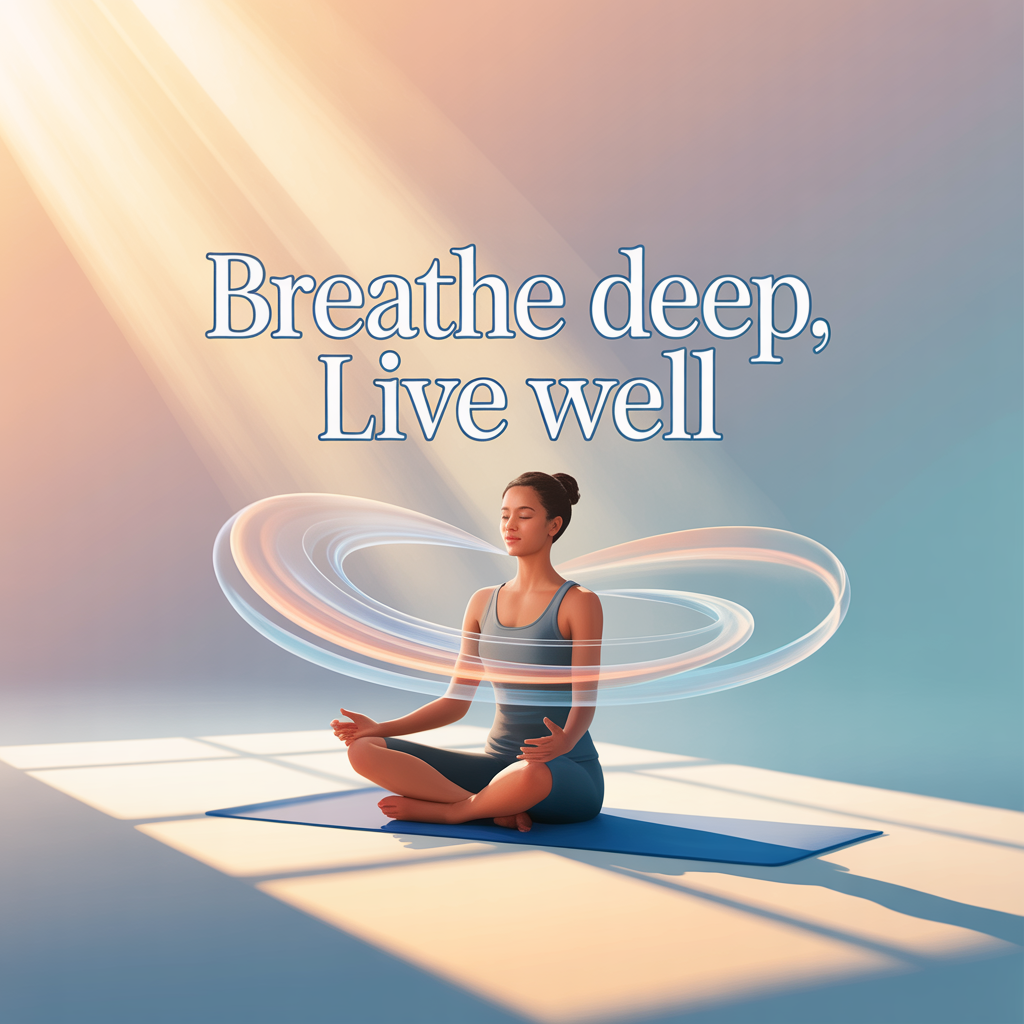
Diaphragmatic breathing, also known as "belly breathing," is a technique that engages your diaphragm, a large, dome-shaped muscle at the base of your lungs. Unlike shallow chest breathing, diaphragmatic breathing draws air deeper into your lungs, increasing oxygen intake, improving lung capacity, and promoting relaxation.
How Does It Work?
When you inhale using your diaphragm, your belly gently rises while your chest remains relatively still. This slow, deep breathing technique allows you to use your full lung capacity, making each breath more efficient and calming for your body and mind.
Why Diaphragmatic Breathing Matters
Breathing might be the missing link in your wellness routine. Here’s why:
Reduces stress and anxiety
Improves focus and mental clarity
Supports better sleep
Enhances core stability (ideal for active adults!)
May lower blood pressure and heart rate
Let’s explore how this breathing exercise works and why it’s so effective for people of all ages.
Key Benefits: The Effects of Diaphragmatic Breathing
Stress Reduction & Calm
When life gets busy, our breathing rate often increases, making us feel more anxious. Diaphragmatic breathing slows things down, sending calming signals to your nervous system. Deep breathing can help you handle stressful meetings or sleepless nights with greater ease.
Enhanced Lung Capacity
Consistent practice of deep breathing techniques, such as belly breathing and alternate nostril breathing, improves lung capacity and efficiency. This can boost endurance for running, cycling, or keeping up with energetic children.
Increased Energy and Faster Recovery
Breathing exercises increase oxygen delivery to your muscles and brain. This helps active adults recover faster after workouts and provides busy parents with a much-needed energy boost throughout the day.
Improved Breathing Patterns
Regular diaphragmatic breathing retrains your body’s natural breathing patterns, making deep, calming breaths your default, even during life’s curveballs.
Breathing Techniques for Everyone
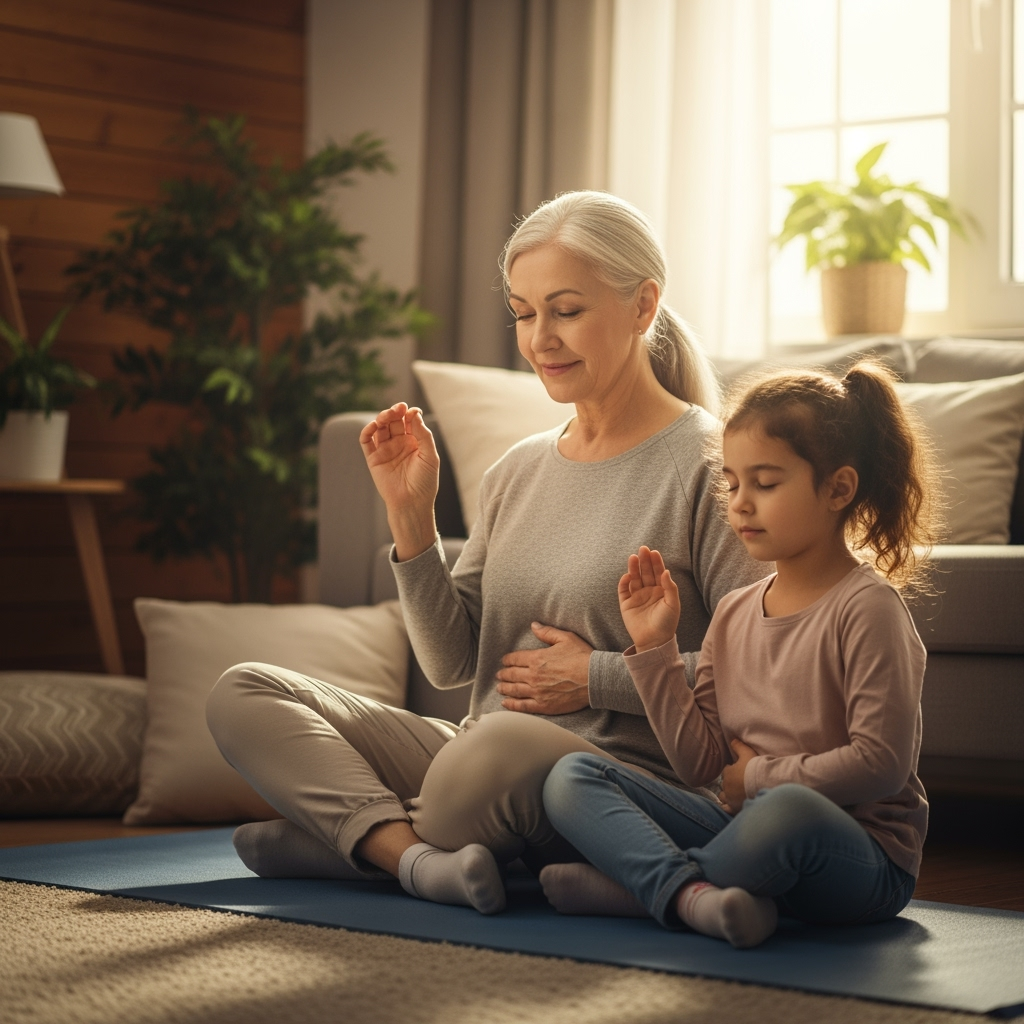
Mastering the Diaphragmatic Breathing Technique
Step-by-Step Guide to Belly Breathing
Find a comfortable position: Sit or lie down. Place one hand on your chest and the other on your belly.
Breathe in slowly through your nose, letting your belly expand as you fill your lungs. Your chest should remain mostly still.
Exhale slowly through pursed lips (as if blowing out a candle). Feel your belly fall.
Repeat for 5–10 breaths, focusing on the rise and fall of your belly.
Tip: Practice for 5 minutes every morning, perhaps before your first cup of tea or coffee.
Pursed Lip Breathing for Calm
Pursed lip breathing is a simple exercise to slow your breathing rate and make each breath more effective. It’s beneficial during moments of anxiety or after physical exertion.
Inhale gently through your nose for a count of two.
Purse your lips (as if whistling) and exhale slowly for a count of four.
Repeat 5–10 times.
Box Breathing for Focus
Box breathing, or square breathing, is a deep breathing exercise used by athletes and even military personnel to boost concentration and calmness.
Inhale deeply through your nose for a count of four.
Hold your breath for four counts.
Exhale slowly for four counts.
Hold again for four counts.
Repeat the cycle 4–5 times.
Alternate Nostril Breathing for Balance
Alternate nostril breathing is a relaxing technique from yoga that helps balance your mind and energy.
Sit comfortably. Use your thumb to close your right nostril.
Inhale slowly through your left nostril.
Close your left nostril with your ring finger, release your right nostril, and exhale through your right side.
Inhale through the right nostril, close it, and exhale through the left.
Continue this pattern for 1–2 minutes.
Making Breathing Exercises Part of Your Daily Routine
Strategies for Busy Lifestyles
For Restless Parents
Bedtime Wind-Down: Practice belly breathing with your children to help everyone relax before sleep.
Stressful Moments: Use pursed lip breathing while waiting in the school queue or during a toddler tantrum.
Mini-Breaks: Try box breathing for 60 seconds between chores or meetings.
For Active Adults
Pre-Workout: Five minutes of deep breathing can prime your body for physical activity.
Post-Workout Recovery: After exercise, use extended exhale breathing (longer out-breath than in-breath) to help your body transition to rest.
Focus: Alternate nostril breathing clears your mind before essential tasks.
Integrating into Everyday Life
Morning Routine: Start your day with 3–5 minutes of diaphragmatic breathing.
Desk Breaks: Set a reminder to practice a breathing exercise every hour at work.
Evening Reflection: Use deep breathing to unwind and reflect at the end of the day.
Remember: Breathing might be the simplest self-care habit you adopt this year.
Advanced Tips: Optimising Your Breathing Practice
Fine-Tuning Your Breathing Technique
Check Your Posture
Good posture supports optimal breathing. Sit or stand tall, roll your shoulders back, and relax your jaw.
Slow and Steady Wins
Practice slow, controlled breathing. Rushed breaths can increase tension and reduce the benefits of diaphragmatic breathing.
Use Cues and Reminders
Place a sticky note on your fridge or set a phone alert: “Time to breathe!”
Try the Active Cycle of Breathing Technique
The active cycle of breathing technique combines gentle breathing, deep breathing, and huff coughing (a gentle exhale) to clear airways and boost lung capacity, especially useful if you’re congested or recovering from a cold.
Gentle Breaths: Start with 2–3 relaxed breaths.
Deep Breaths: Take 3–4 slow, deep breaths focusing on belly expansion.
Huff Cough: Forcefully exhale through an open mouth (like steaming up a mirror) to help clear mucus.
Sample Daily Breathing Routine
Here’s a sample daily routine you can adapt:
Morning: 5 minutes of belly breathing with your coffee or tea.
Midday: 2 minutes of box breathing before lunch.
Afternoon: Pursed lip breathing for 3 minutes during a break.
Evening: Alternate nostril breathing for 5 minutes with your children or partner.
Bedtime: Extended exhale breathing to calm your mind and body.
Conclusion: Small Practice, Big Results
Breathing may seem automatic, but the way you breathe can shape your energy, focus, and well-being. By embracing diaphragmatic breathing and other simple breathing exercises, you’re equipping yourself with a powerful tool for resilience and calm, whether you’re working toward a new fitness goal or simply keeping up with your family.
Why not start today? Set aside five minutes, find a comfortable spot, and give belly breathing a try. Your mind and body will thank you.
FAQ: Frequently Asked Questions about the Breathing Exercise Guide
Q: What is the difference between chest breathing and belly breathing?
A: Chest breathing uses the upper lungs and is often shallow, while belly breathing (diaphragmatic breathing) uses the diaphragm to draw air deeper, making breathing more efficient.
Q: How often should I practice diaphragmatic breathing?
A: Aim for at least 5–10 minutes daily. You can break it into shorter sessions throughout the day.
Q: Can children do these breathing exercises?
A: Absolutely! Belly breathing is simple and can help kids calm down, focus, and sleep better.
Q: Can breathing exercises help with sleep?
A: Yes, slow breathing and extended exhale techniques calm the nervous system and can improve sleep quality.
Q: What if I feel dizzy while practising?
A: Stop and return to your normal breathing. Start with shorter sessions and gradually increase as your comfort grows.
Q: Are there any risks, or should anyone avoid these exercises?
A: Breathing exercises are generally safe. If you have a lung condition or medical concern, consult your doctor first.
Q: Does diaphragmatic breathing help with sports performance?
A: Yes! It improves lung capacity and oxygen delivery, boosting stamina and recovery for active adults.
Q: How can I make this a habit?
A: Pair your breathing exercises with daily routines, such as brushing your teeth or brewing tea, to make it stick.
Keep Breathing, Keep Thriving
Whether you’re chasing after little ones or reaching for your next fitness milestone, using breathing techniques like diaphragmatic breathing is a slight change with a significant impact. Incorporate these exercises into your day and experience the difference. Happy breathing!