
Carbs Explained: A Simple Guide to Carbohydrate Nutrition
Introduction: Why Understanding Carbohydrates Matters for Active Adults and Busy Parents
When you hear the word "carbs," you might instantly think of pasta, bread, or maybe that slice of cake you enjoyed over the weekend. But carbohydrates are far more than a dietary trend—they're an essential macronutrient, a primary energy source. Sometimes, a source of confusion whether you're keeping up with kids, training for a 5K, or simply striving to maintain your energy throughout busy days, understanding how carbohydrates work can empower you to make smarter, healthier choices.
Let's face it: carbs often get a bad reputation. With so much talk about "low-carb" diets or "bad carbs," it's easy to misunderstand their role in our nutrition. This simple guide breaks down the facts about carbohydrates, debunks common myths, and helps you enjoy eating carbs with confidence. Grab a cuppa, and let's unravel the world of carbohydrates together!
What Are Carbohydrates? The Basics of Carbohydrate Nutrition
What Is a Carbohydrate?
Carbohydrates, commonly known as "carbs," are one of the three main macronutrients—alongside protein and fat—that your body requires to function optimally. Found in a wide variety of foods, carbs are your body's preferred energy source, especially when fueling your muscles and brain.
A carbohydrate consists of sugar molecules that your body breaks down into glucose (a simple sugar) during digestion. This glucose enters your bloodstream, raising blood sugar (also called blood glucose) levels and supplying energy to your cells.
Types of Carbohydrates: Simple vs. Complex Carbs
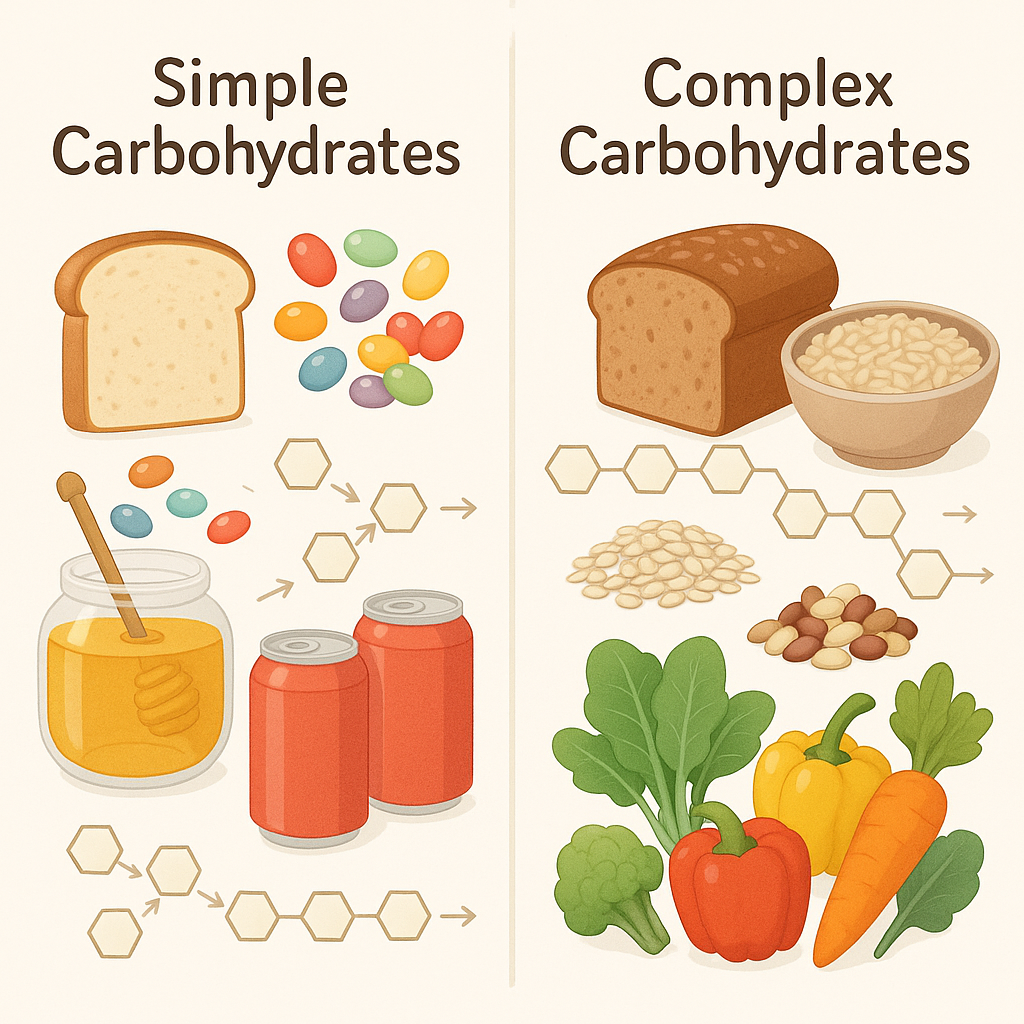
Not all carbohydrates are created equal. Understanding the difference between simple and complex carbohydrates can help you make healthier dietary choices:
Simple Carbohydrates
Definition: Simple carbohydrates consist of one or two sugar units. Their structure allows them to be digested quickly, leading to rapid spikes in blood sugar.
Examples: Table sugar, honey, soft drinks, sweets, and fruit juices. Many natural foods, like fruit, also contain simple sugars but are rich in nutrients and fibre.
Common sources in stores: Sugary breakfast cereals, white bread, biscuits, jams, and sweetened yoghurts.
Complex Carbohydrates
Definition: Complex carbohydrates have longer chains of sugar molecules. They are digested more slowly, providing a steady release of energy and helping regulate blood sugar levels.
Examples: Whole grain bread, brown rice, oats, legumes (beans, lentils), starchy vegetables (potatoes, sweet potatoes), and whole wheat pasta.
Why they're healthier: Complex carbs are often rich in fibre, vitamins, and minerals. They support gut health, maintain steady energy levels, and help you feel fuller for longer.
Why Does Your Body Need Carbohydrates?
Carbohydrates as a Source of Energy
Carbohydrates are your body's primary energy source. When you consume carbs, your body converts them into glucose, which fuels your muscles during physical activity, powers your brain for concentration and mental tasks, and keeps your organs functioning properly.
Active Lifestyles and Carbohydrates
If you're an active adult or a parent constantly on the move, your body relies on carbohydrates to keep up with your demanding schedule. While low-carb diets are trendy, cutting carbs drastically can leave you feeling tired, sluggish, and irritable.
Carbohydrates, Blood Sugar, and Insulin
After eating carbs, your blood sugar rises. In response, your pancreas releases insulin, a hormone that helps transport glucose from your bloodstream into your cells for energy. Consuming too many sugary or refined carbs can cause blood sugar spikes and crashes, which, over time, may affect insulin sensitivity and overall health.
Types of Carbohydrates in Your Diet: Making Smart Choices
Good Carbs vs. Bad Carbs: Fact vs. Fiction
You may have heard about "good carbs" and "bad carbs." Let's clarify:
Good carbs (Healthy carbs): Minimally processed, high in fibre, and packed with nutrients, such as whole grain bread, brown rice, oats, legumes, fruits, and vegetables.
Bad carbs: Highly processed and often stripped of nutrients and fibre, like white bread, pastries, sugary drinks, and foods with lots of added sugar.
Tip: When shopping, look for foods labelled "whole grain" and check the ingredients for added sugars.
Understanding Starchy Foods
Starchy foods, like potatoes, corn, and pasta, are complex carbohydrates. While some people are wary of starchy foods, choosing unrefined options (like sweet potatoes or whole grain pasta) over their white, refined counterparts can make these foods a valuable part of a balanced diet.
Legumes: Nutrient Powerhouses
Beans, lentils, and chickpeas are outstanding sources of complex carbohydrates, fibre, and plant-based protein. They promote gut health, help regulate blood sugar, and keep you feeling satisfied.
Sugary and Refined Carbohydrates: What to Limit
Refined carbs are found in foods such as white bread, pastries, and many packaged snacks. These foods have had much of their fibre and nutrients removed and often contain added sugars. Overconsumption can lead to blood sugar spikes, weight gain, and an increased risk of insulin resistance.
Eating Carbohydrates: How Much and When?
How Many Carbohydrates Do You Need?
Your carbohydrate requirements depend on your age, activity level, and health goals. For most active adults, about 45–65% of daily energy intake should come from carbohydrates. For personalised advice, especially if you have health concerns, consult a registered dietitian.
Timing Your Carbohydrates for Energy
Before exercise: Eat a meal or snack rich in complex carbs (like porridge or a banana with whole grain toast) 1–2 hours before activity to top up energy stores.
After exercise: Refuel with carbohydrates and some protein (such as a chickpea salad with brown rice) to help your muscles recover.
For parents: Spread your carb intake throughout the day. Balanced snacks (like oatcakes with hummus or a piece of fruit) can maintain steady energy and prevent crashes.
Carb Quality Matters
Focus on the quality of the carbs you consume. Choose whole, minimally processed foods over refined or sugary options to maintain steady blood sugar and support digestion and gut health.
Low-Carb Diets and Avoiding Carbohydrates: What You Should Know
The Low-Carb Craze
Low-carb diets are popular, but they're not always necessary or suitable for everyone. Drastically reducing carbs can cause low energy, headaches, and even mood changes. If you're considering a low-carb diet for weight loss or medical reasons, seek guidance from a registered dietitian.
Risks of Avoiding Carbohydrates Entirely
Carbohydrates are an essential source of fibre, vitamins, and minerals. Altogether, avoiding carbs can lead to:
Constipation (due to lack of fibre)
Low energy, especially for active individuals
Nutrient deficiencies
Impaired gut health
Healthy Swaps for a Balanced Diet
Swap white bread for whole grain bread
Choose brown rice over white rice
Replace sugary snacks with fruit or nuts
Opt for porridge oats instead of sugary cereals
Daily Routines: Simple Tips for Eating Healthy Carbohydrates
Breakfast
Porridge made with oats, topped with berries and a drizzle of honey
Whole grain toast with mashed avocado
Greek yoghurt with sliced banana and a sprinkle of seeds
Lunch
Whole grain wrap with hummus, spinach, and grilled chicken
Brown rice salad with cherry tomatoes, chickpeas, and lemon dressing
Lentil soup with a slice of whole grain bread
Snacks
Sliced apple with peanut butter
Carrot sticks and hummus
Oatcakes with cottage cheese
Dinner
Stir-fried vegetables with tofu and brown rice
Baked sweet potato with black beans and salsa
Whole wheat pasta with tomato and vegetable sauce
Carbohydrates, Digestion, and Gut Health
Why Fibre Matters
Fibre is a type of complex carbohydrate your body can't digest. It keeps your digestive system healthy, supports regular bowel movements, and nourishes beneficial gut bacteria. Aim for plenty of fibre-rich foods, such as whole grains, legumes, fruits, and vegetables.
Supporting Blood Sugar and Insulin Sensitivity
Eating more fibre-rich, complex carbs can help maintain steady blood sugar and support insulin sensitivity. This is especially important if you have a family history of diabetes or are managing your weight.
Common Misunderstandings About Carbohydrates
Myth: Carbs Make You Gain Fat
Fact: Carbohydrates themselves do not cause weight gain—consuming more energy than you expend does. Choosing healthy carbs and being mindful of portion sizes is key.
Myth: All Carbohydrates Are the Same
Fact: The quality and type of carbohydrates matter. Focus on whole, minimally processed foods for better health.
Myth: You Should Avoid Eating Carbs at Night
Fact: There is no strong evidence that eating carbs after a specific time causes weight gain. What matters is your total dietary balance.
Conclusion: Your Action Plan for Healthy Carbohydrate Nutrition
Carbohydrates don't have to be confusing! They're an essential, enjoyable part of a balanced diet, especially for active adults and busy parents. By choosing complex carbs, focusing on whole foods, and being mindful of portion sizes and sugar content, you can support your energy, digestion, and overall health.
Remember:
Carbohydrates are a vital source of energy
Choose whole grains, legumes, fruits, and vegetables for healthy carbs
Limit refined and sugary foods
Listen to your body and adjust your carb intake to your activity level
If you're ever unsure, a registered dietitian can help you develop a carbohydrate strategy that fits your lifestyle.
FAQ: Carbohydrates Explained – Your Questions Answered
Q: Are carbs bad for you?
A: No! Carbohydrates are an important part of a healthy diet. The key is to choose healthy carbs, like whole grains and vegetables, and limit refined, sugary options.
Q: What are complex carbs, and why are they better?
A: Complex carbohydrates have a more intricate structure, take longer to digest, and provide steady energy. They're usually high in fibre and nutrients, supporting gut health and keeping you full.
Q: How can I tell if a food is a good source of carbs?
A: Look for terms like "whole grain," "brown rice," "oats," "beans," or "lentils" on food packaging. Foods high in fibre and low in added sugar are generally healthier choices.
Q: Should I try a low-carb diet?
A: Low-carb diets aren't for everyone. If you're active or have high energy needs (like busy parents!), you may feel better with more carbs. Always speak with a dietitian before making major changes.
Q: Is fruit too sugary to be healthy?
A: No, fruit is a healthy source of natural sugar, fibre, and nutrients. Enjoy it as part of a balanced diet.
Q: Can eating carbs at night cause weight gain?
A: Not specifically. Your total daily calorie intake is what matters most. Including carbs at dinner is fine.
Q: What’s the best way to reduce added sugar in my diet?
A: Cook more at home, read nutrition labels, choose plain cereals, and swap sugary drinks for water or herbal tea.
Q: How do carbs affect blood sugar and insulin?
A: Eating carbs raises blood sugar. Fibre-rich, complex carbs cause a slower increase, while refined or sugary carbs cause a quick spike. Maintaining steady blood sugar is healthier for your body.
Q: Are gluten-free carbs healthier?
A: Not necessarily. Gluten-free products can still be high in refined carbs and low in fibre. Choose whole, naturally gluten-free carbs (like brown rice, quinoa, and potatoes) for optimal nutrition.
Q: Why do I feel tired when I don't eat enough carbs?
A: Your body and brain rely on glucose from carbs for energy. Skipping carbs can leave you feeling low on energy and focus.
Ready to make peace with carbs? Fill your plate with colourful, wholesome foods and enjoy the energy boost that comes with healthy carbohydrate nutrition!