Choosing the Best Diet Plan: Weight Loss and Healthy Eating
As a personal trainer working with active adults and busy parents in Chelmsford, I've seen firsthand how challenging it can be to navigate the world of nutrition while juggling work, family, and fitness goals. Whether you're looking to shed a few pounds or want to feel more energetic throughout your day, finding the right approach to eating can make all the difference. Let's explore creating a sustainable diet plan that works for your lifestyle without requiring hours in the kitchen or complicated meal prep.
Understanding Balanced Diet and Food Groups
Creating a healthy eating pattern isn't about following restrictive diets or cutting out entire food categories. It's about understanding how different nutrients fuel your body and support your goals.
A balanced diet fulfils all your nutritional needs by including foods from five essential groups: fruits, vegetables, protein, grains, and dairy. This approach ensures you get all the nutrients and calories your body requires while avoiding processed foods with little nutritional value.
Current dietary guidelines recommend that half your plate contain fruits and vegetables, while the other half comprises grains and protein. This balanced approach, accompanied by a serving of low-fat dairy or an alternative source of similar nutrients, helps reduce the risk of developing conditions like high blood pressure, diabetes, and heart disease1.
The Power of Protein in Your Diet Plan
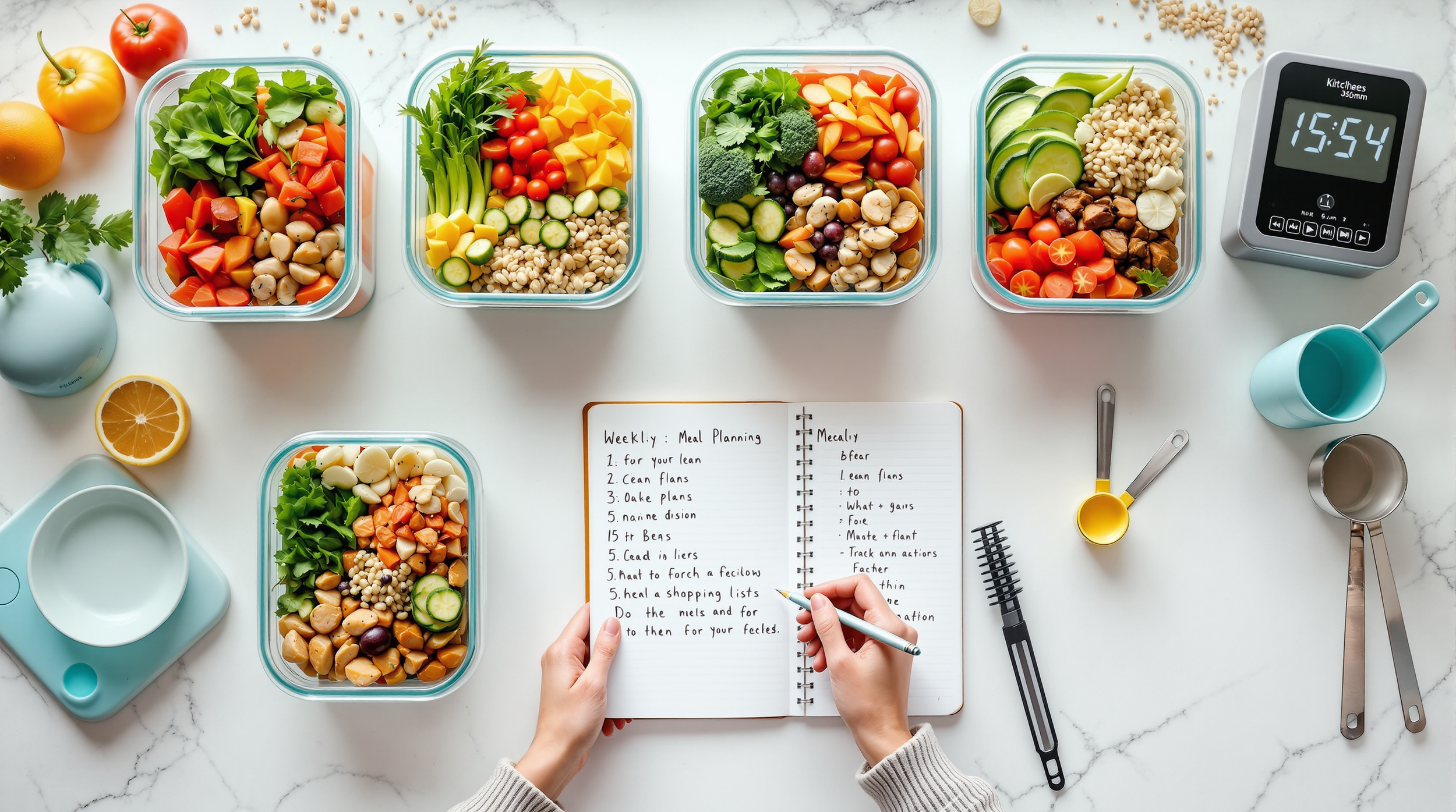
Protein is crucial for maintaining muscle mass, especially if you're active or trying to lose weight. Nutritious protein choices should make up approximately a quarter of your plate and can include:
Lean meats and poultry
Eggs
Seafood (aim for two portions weekly)
Beans, peas, and legumes
Nuts and seeds2
Adding protein throughout the day doesn't have to be complicated for busy parents. Try incorporating seafood, dairy, fortified soy products, beans, and lentils into your meals to maintain muscle and get sufficient protein1.
Carbohydrates: Choosing the Right Fuel
Carbohydrates often get a bad reputation in weight loss circles, but they're essential for energy, especially if you balance work, parenting, and staying active. The key is choosing the right types.
Whole grains should make up no more than a third of your meal6. Options like brown rice, quinoa, and whole wheat bread provide fibre that helps you feel fuller longer and supports digestive health. This approach naturally enables you to consume fewer calories while maintaining energy levels for your busy day.
Mediterranean Diet: A Lifestyle Approach to Healthy Weight
When clients ask me about the most sustainable approach to eating, I often point them toward the Mediterranean diet. This isn't just a diet but a lifestyle that emphasises:
The Mediterranean diet focuses on plant-based foods, healthy fats from olive oil and nuts, and moderate consumption of fish and poultry. Research shows it can help maintain a healthy weight while reducing the risk of heart disease and type 2 diabetes.
This approach is particularly suitable for active adults and parents because of its flexibility. No strict calorie counting makes adapting to family meals and social situations easier. The emphasis on whole, minimally processed foods also means you naturally consume fewer calories while getting more nutrients.
Lose Weight Without Feeling Deprived
One of the biggest challenges I hear from clients is losing weight without constantly feeling hungry or deprived. The good news is that you can achieve your goals with the right approach while still enjoying food.
Calorie Awareness vs. Calorie Obsession
Understanding calorie intake is essential for weight management, but obsessing over every number can lead to an unhealthy relationship with food. Instead, focus on:
Eating foods that are nutrient-dense rather than energy-dense
Including plenty of protein and fibre in each meal to increase satiety
Being mindful of portion sizes without strict measuring
Recognising hunger and fullness cues
Adults typically require between 1,600 and 3,000 calories daily, depending on age, gender, and activity level2. If weight loss is your goal, creating a moderate calorie deficit through dietary changes and increased physical activity is more sustainable than severe restriction.
Fat: Friend or Foe in Your Diet?
For years, low-fat diets were promoted as the best way to lose weight. However, we now understand that healthy fats are essential for hormone production, nutrient absorption, and feeling satisfied after meals.
The key is to eat less saturated fat (found in processed foods and fatty meats) while incorporating sources of unsaturated fats like:
Olive oil
Avocados
Nuts and seeds
Fatty fish like salmon and mackerel
Including these healthy fats in your diet plan can support weight loss by improving satiety and reducing cravings for processed carbohydrates.
DASH Diet: Balancing Blood Pressure and Healthy Eating
For those concerned about heart health alongside weight management, the DASH (Dietary Approaches to Stop Hypertension) diet offers a structured yet flexible eating plan backed by substantial research.
The DASH diet emphasises:
Plenty of fruits and vegetables
Whole grains
Lean proteins
Low-fat dairy
Limited sodium intake
This eating pattern has been shown to lower blood pressure and cholesterol levels while supporting healthy weight management. For busy parents and active adults, the DASH diet's principles can be adapted to family meals and various lifestyles without requiring special foods or complicated preparation.
Meal Plan Strategies for Busy Lives
As someone who works with restless parents and active adults, I understand that theoretical nutrition advice isn't enough; you need practical strategies that fit your hectic schedule.
Breakfast: Fuel Your Day Right
Starting your day with a balanced breakfast sets you up for success. Try these quick options:
Toast a whole-grain waffle and spread 2 tablespoons of nut butter on top, add sliced banana and a sprinkle of cinnamon3
Combine 1 cup of whole-grain cereal with berries, slivered almonds, and Greek yoghurt3
Prepare overnight oats with fruit and nuts that you can grab and go
These options combine carbohydrates, protein, and healthy fats to energise you through busy mornings.
Lunch: Midday Refuelling
For lunch, focus on options that can be prepared ahead of time or assembled quickly:
Healthy tuna salad made with a mix of low-fat mayo and nonfat yoghurt, served with vegetables3
Grain bowls with pre-cooked quinoa or brown rice, leftover protein, and plenty of vegetables
Hearty soups that can be made in batches and reheated
Dinner: Family-Friendly Nutrition
Dinner is often a family affair, so choose meals that can be adapted for everyone:
Balsamic-glazed lean proteins like pork tenderloin or chicken breast with roasted vegetables3
Build-your-own taco bars with lean ground turkey, beans, and plenty of vegetable toppings
Sheet pan meals that combine protein and vegetables for minimal cleanup
Smart Snacking for Sustained Energy
For active adults and busy parents, strategic snacking can help maintain energy levels and prevent overeating at meals:
Apple or pear with a tablespoon of nut butter
Greek yoghurt with berries
A small handful of nuts and a piece of fruit
Vegetable sticks with hummus
Diets for Weight Loss: Finding What Works for You
With countless weight loss diets promoted in the media, it can be overwhelming to determine which approach is best for your needs and lifestyle.
Keto Diet: High Fat, Low Carb Approach
The ketogenic diet has gained popularity for its potential to promote rapid weight loss through a very low-carbohydrate, high-fat approach. By drastically reducing carbohydrate intake (typically to less than 50g per day), the body enters a state of ketosis, burning fat for fuel instead of glucose.
While some people experience significant weight loss on this diet, it's important to consider:
It can be not easy to sustain long-term
It may limit your intake of fibre-rich fruits, vegetables, and whole grains
It requires careful planning to ensure adequate nutrient intake
It may not be suitable for very active individuals who need carbohydrates for performance
As a personal trainer, I've seen mixed results with this approach among my clients. Those who benefit most struggle with blood sugar management or have specific health conditions that respond well to carbohydrate restriction.
Formerly Weight Watchers: Points-Based Flexibility
Programs like WW (formerly Weight Watchers) offer a more flexible approach to weight loss. They assign point values to foods based on their nutritional content. This system allows for any food in moderation while encouraging more nutritious and filling choices.
The benefits of this approach include:
No foods are completely off-limits
It teaches portion awareness
It can be adapted to family meals and social situations
It provides community support
Many of my clients, especially busy parents, appreciate the flexibility of this approach and the ability to enjoy occasional treats while still making progress toward their goals.
Need to Lose Weight? Focus on Sustainable Changes
If you've determined to lose weight for health reasons, approaching the process with a long-term mindset is crucial for success.
Setting Realistic Goals
Rather than aiming for rapid weight loss, which is rarely sustainable, focus on losing 1-2 pounds per week through dietary changes and increased physical activity5. This moderate approach is more likely to result in lasting changes and avoid the weight loss and regain cycle.
A registered dietitian can help you determine an appropriate calorie target based on your needs, considering your current weight, activity level, and medical history.
Eat Lots of Fruit and Vegetables for Natural Weight Management
One of the simplest strategies for weight management is to increase your intake of fruits and vegetables. These foods are naturally low in calories but high in fibre, water, and nutrients.
Aim to make fruits and vegetables half of your plate at each meal6. This naturally crowds out higher-calorie options while ensuring you get essential vitamins and minerals. Looking for pre-cut varieties can make this easier for busy parents and active adults when time is limited1.
Food Groups in Your Diet: Creating Balance
Understanding how to balance food groups is essential for weight management and overall health. Let's break down how to incorporate each group effectively:
Vegetables: The Foundation of Healthy Eating
Aim for 2 or more portions of vegetables in main meals, filling half your plate6. Vegetables provide fibre, vitamins, and minerals while naturally low in calories, making them perfect for weight management.
Adding sliced or pre-cut vegetables to meals and snacks can make healthy eating more convenient for busy parents1. Try roasting a large batch of mixed vegetables on the weekend to use throughout the week.
Fruits: Nature's Sweet Treat
Fruits provide natural sweetness, fibre, and essential nutrients. They can be included as snacks, desserts, or additions to meals like breakfast cereals or salads.
While fruits contain natural sugars, they also provide fibre that slows digestion and helps prevent blood sugar spikes. This makes them a much better choice than processed sweets when craving something sweet.
Whole Grains: Smarter Carbohydrates
Carbohydrates should make up no more than a third of your meal, with an emphasis on whole-grain versions6. Options like brown rice, quinoa, oats, and whole-wheat bread provide more fibre and nutrients than their refined counterparts.
Controlling portions of even healthy grains is essential for weight management, as they are more calorie-dense than vegetables.
Protein: Essential for Active Adults
Always include protein to help you stay full and maintain muscle mass6. This is especially important for active adults who need muscle recovery and repair protein.
If you eat fish, aim for two portions weekly, with at least one being fatty fish like salmon or mackerel for heart-healthy omega-3 fatty acids6.
Dairy: Calcium for Strong Bones
Low-fat dairy and fortified soy products provide calcium and protein. Options include cottage cheese, low-fat milk, yoghurt, and soy milk2.
Lactose-free products or plant-based alternatives fortified with calcium and vitamin D can be substitutes for lactose-intolerant individuals.
Conclusion: Your Path to Healthy Eating
The journey to finding the right diet plan isn't about following rigid rules or temporary restrictions but about developing a sustainable approach to eating that supports your health goals while fitting into your busy life as an active adult or parent.
Remember that the best diet is one you can maintain long-term. This means:
Focusing on whole, minimally processed foods most of the time
Including all food groups in balanced proportions
Allowing flexibility for special occasions and favourite treats
Combining dietary changes with regular physical activity
Being patient with yourself as you develop new habits
As your personal trainer, I aim to help you find an approach to nutrition that energises you, supports your fitness goals, and fits seamlessly into your lifestyle. The strategies outlined in this article provide a foundation, but don't hesitate to seek personalised guidance from a registered dietitian who can tailor recommendations to your specific needs and preferences.
Frequently Asked Questions
How many calories should I eat to lose weight?
While calorie needs vary based on age, gender, weight, and activity level, creating a moderate deficit of 500-750 calories per day through diet and exercise can lead to sustainable weight loss of 1-2 pounds weekly. This means consuming 1,500-2,000 calories daily for most active adults, but consulting a registered dietitian can provide more personalised guidance.
Is it better to follow a low-carb or low-fat diet for weight loss?
Research shows that both approaches can be practical for weight loss when they lead to reduced calorie intake. The best approach is the one you can maintain long-term. Some people find controlling carbohydrates easier, while others prefer limiting fat. Regardless of your approach, focus on diet quality by choosing whole foods.
How can busy parents maintain healthy eating habits?
Plan and prep when you can, even washing and cutting vegetables or cooking proteins in batches. Keep healthy, convenient options like pre-cut vegetables, canned beans, frozen fruits, and quick-cooking whole grains. Involve children in meal preparation to save time while teaching healthy habits.
Do I need to count calories to lose weight?
While calorie awareness is helpful, strict counting isn't necessary for everyone. Many succeed by focusing on food quality (choosing whole, nutrient-dense foods), controlling portions, and listening to hunger and fullness cues. If you're not seeing results with this approach, more structured tracking might be beneficial temporarily.
How can I maintain my weight loss in the long term?
Research shows that people who lose weight typically continue the habits that helped them lose weight, including regular physical activity, consistent eating patterns, and ongoing weight and food intake monitoring. Building a supportive environment and developing strategies for managing stress and emotional eating are also crucial for long-term success.
Citations:
https://www.goodhousekeeping.com/health/diet-nutrition/g4351/1200-calorie-diet-plan/
https://www.betterhealth.vic.gov.au/health/healthyliving/food-and-your-life-stages
https://www.nhs.uk/better-health/lose-weight/healthy-eating-when-trying-to-lose-weight/
https://bcuhb.nhs.wales/health-advice/best-start/your-child/food/parents-teenagers/
https://www.mountsinai.org/files/MSHealth/Assets/HS/MonthlyMealPlan_Brochure_Rev24.pdf
https://www.eatingwell.com/category/4305/weight-loss-meal-plans/
https://www.nidirect.gov.uk/articles/healthy-eating-older-adults
https://www.nutrition.org.uk/media/rxldz0ol/bnf-s-7-day-meal-planner.pdf
https://www.eatingwell.com/article/7940188/meal-plan-for-healthy-aging-from-the-inside-out/