Staying active and managing your weight as a busy adult or parent is challenging enough. Add in the unpredictable energy swings, cravings, and mood changes that come with your menstrual cycle, and it can feel like an uphill battle. But what if you could work with your body’s natural rhythms instead of fighting against them? That’s where cycle sync comes in, a science-backed, approachable way to adapt your diet and exercise routine to the four phases of your menstrual cycle for better results, less frustration, and a more positive relationship with your body.
Below, we’ll explain everything you need to know about syncing your diet and workouts to your menstrual cycle, including practical tips, phase-by-phase guidance, and answers to common questions. Whether you’re a fitness enthusiast or just trying to squeeze in healthy habits between school runs and work calls, this guide is for you.
What Is Cycle Sync?

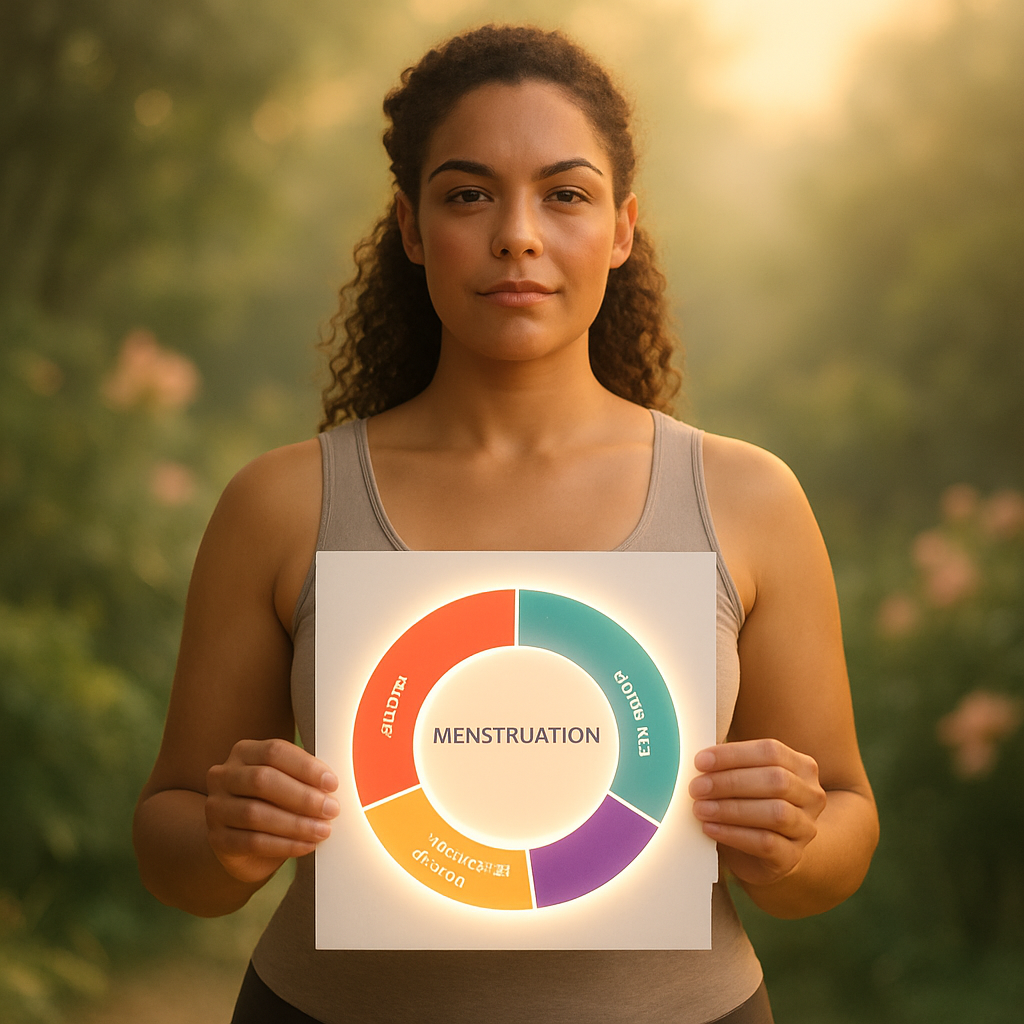
Cycle syncing is adapting your diet, exercise, and lifestyle habits to the four phases of your menstrual cycle. Instead of sticking to the same workout or meal plan daily, you adjust your approach based on where you are in your cycle. The goal? Optimise fat loss, muscle gain, energy levels, and overall well-being by working with your hormones, not against them46.
The Four Phases of Your Menstrual Cycle
Menstrual Phase (Days 1-5): Your period begins; estrogen and progesterone are at their lowest.
Follicular Phase (Days 6-14): Estrogen rises, energy increases, and your body prepares for ovulation.
Ovulatory Phase (Around Day 14): Estrogen and testosterone peak, and an egg is released.
Luteal Phase (Days 15-28): Progesterone rises, energy dips, and PMS symptoms may appear36.
Understanding these phases helps you track your menstrual cycle and adjust your routine for maximum benefit.
Why Sync Your Diet and Exercise?
Adapting your routine to the phase of your menstrual cycle isn’t just a trend-it’s rooted in science. Here’s why cycle syncing nutrition and workouts can make a difference:
Improved Weight Loss: Hormonal fluctuations impact metabolism, cravings, and fat storage. Syncing your approach can help you burn more fat and manage hunger35.
More Effective Workouts: Your energy and recovery capacity change throughout the month. Matching your workouts to your cycle can boost performance and reduce burnout12.
Better Mood and Motivation: PMS, cravings, and fatigue are real. Cycle syncing may help you stay consistent and positive by honouring what your body needs.
Reduced Injury Risk: Certain phases make you more prone to injury. Adjusting intensity and exercise selection can help keep you safe2.
How to Track Your Menstrual Cycle
Before you can sync your routine, you must know where you are in your cycle. Here’s how:
Calendar Method: Mark the first day of your period as Day 1. Most cycles last 28 days, but yours may vary.
Apps: Use Clue, Flo, or your phone’s health tracker to log symptoms and predict phases.
Listen to Your Body: Energy, cravings, and mood shifts can be powerful clues about your current phase6.
Phase 1: Menstrual Phase (Days 1-5)
What’s Happening?
Hormones: Estrogen and progesterone are low.
Symptoms: Fatigue, cramps, low motivation, and sometimes discomfort.
Metabolism: Basal metabolic rate (BMR) is slightly lower; you may need fewer calories3.
Diet and Exercise Tips
Diet:
Focus on iron-rich foods (spinach, red meat, beans) to replenish lost nutrients.
Hydrate well to combat bloating.
Small servings of dark chocolate can help with cravings and boost mood6.
Exercise:
Gentle movement is best: walking, stretching, restorative yoga, or light Pilates.
If you feel up to it, low-intensity strength training is fine, but listen to your body and don’t push through pain26.
Rest is OK-don’t feel guilty if you need a few days off.
Phase 2: Follicular Phase (Days 6-14)
What’s Happening?
Hormones: Estrogen and testosterone rise; energy and mood improve.
Symptoms: Increased motivation, better recovery, higher pain threshold.
Metabolism: BMR may increase slightly; you may feel less hungry3.
Diet and Exercise Tips
Diet:
Lean proteins and complex carbs (quinoa, brown rice, whole wheat) fuel higher-intensity workouts6.
Add estrogen-balancing foods: flaxseeds, cruciferous veggies, berries.
Stay hydrated and prioritise sleep for recovery.
Exercise:
This is your power phase! Ramp up strength training and weight training.
Try new workouts or increase intensity- your body is primed for muscle gain and fat loss25.
Include interval training or HIIT for extra calorie burn.
Phase 3: Ovulatory Phase (Around Day 14)
What’s Happening?
Hormones: Estrogen and testosterone peak, triggering ovulation.
Symptoms: Highest energy, confidence, and social motivation.
Metabolism: BMR remains elevated; appetite may increase3.
Diet and Exercise Tips
Diet:
Focus on anti-inflammatory foods: leafy greens, berries, and oily fish.
Support liver function with cruciferous veggies to process excess estrogen6.
Continue complex carbs and lean proteins.
Exercise:
Take advantage of peak energy with high-intensity workouts: HIIT, sprints, challenging group fitness classes.
Push for personal bests in resistance training or cardio.
Be mindful: ligaments may be more lax, so warm up thoroughly and use good form to avoid injury2.
Phase 4: Luteal Phase (Days 15-28)
What’s Happening?
Hormones: Progesterone rises, estrogen drops.
Symptoms: PMS, cravings, bloating, lower mood, fatigue.
Metabolism: BMR increases; you may need 100–300 extra calories per day3.
Diet and Exercise Tips
Diet:
Emphasise complex carbs and high-fibre foods (sweet potatoes, oats, leafy greens) to curb hunger and stabilise blood sugar6.
Satisfy cravings with healthy options: fruit, nuts, seeds, and a square of dark chocolate.
Magnesium-rich foods (pumpkin seeds, spinach) may help reduce PMS symptoms and fluid retention6.
Exercise:
Shift to moderate-intensity cardio and strength work; lower reps and lighter weights if needed.
Include restorative activities: yoga, stretching, walking.
Listen to your body-if energy dips, it’s okay to scale back and focus on consistency over intensity26.
Practical Tips for Busy Adults and Parents
Plan Ahead: Use your cycle tracker to schedule intense workouts during high-energy phases and lighter activities when energy dips.
Meal Prep: Batch-cook iron-rich and complex carb meals for the menstrual and luteal phases.
Flexible Routines: Don’t stress if you miss a workout-cycle syncing; it is about adapting, not perfection.
Family-Friendly: Involve kids in walks or stretching sessions during lower-energy phases.
Self-Compassion: Fluctuations are normal. Celebrate your wins and listen to your body throughout your menstrual cycle.
Conclusion: Embrace the Power of Cycle Syncing
Cycle syncing isn’t more about doing what’s right for you in each menstrual cycle phase. By syncing your diet and exercise to your body’s natural rhythms, you’ll likely find it easier to manage weight, boost energy, and feel your best, even with a busy schedule. Remember, consistency matters more than perfection; listening to your body is the ultimate form of self-care.
FAQ: Cycle Sync & Weight Loss
Q: Can cycle syncing help with weight loss?
A: Yes, cycle syncing may support weight loss by aligning your workouts and nutrition with hormonal fluctuations, making it easier to manage cravings, energy, and metabolism13.
Q: Do I have to change my workout every week?
A: Not necessarily. You can adjust intensity and focus based on your energy and symptoms, but you don’t need a completely new routine every week-small tweaks go a long way26.
Q: What if my cycle isn’t 28 days?
A: That’s normal! Track your personal cycle length and adjust accordingly. The principles of cycle syncing apply to all cycle lengths.
Q: Is it safe to exercise during my period?
A: Absolutely, if you feel up to it. Gentle movement can ease cramps and boost mood, but rest is also perfectly fine26.
Q: How do I handle cravings in the luteal phase?
A: Choose nutrient-dense options like fruit, nuts, or a small amount of dark chocolate. Complex carbs and magnesium-rich foods can help, too6.
Q: Will cycle syncing work if I have irregular periods?
A: You can still benefit by tracking symptoms and adjusting your routine based on how you feel each week.
By syncing your workouts and nutrition to the four phases of your menstrual cycle, you’ll harness your body’s natural strengths, minimise frustration, and make sustainable progress, no matter how busy life gets.
Citations:
https://www.runnersworld.com/uk/training/a42433913/train-through-your-menstrual-cycle/
https://www.healthline.com/health/womens-health/guide-to-cycle-syncing-how-to-start
https://www.hdfitnessbc.com/news/inflammation-weight-loss-and-gum-disease-ptz7y-e63kx
https://health.clevelandclinic.org/nutrition-and-exercise-throughout-your-menstrual-cycle
https://www.modibodi.co.uk/blogs/womens/luteal-phase-workouts
https://www.healthline.com/health/fitness/female-hormones-exercise
https://www.bswhealth.com/blog/cycle-syncing-choosing-food-and-diet-for-hormonal-balance
https://uk.gymshark.com/blog/article/menstrual-cycle-workout-plan
https://www.sciencedirect.com/science/article/pii/S000291652204504X
https://womenshealth.gov/getting-active/physical-activity-menstrual-cycle
https://monashivf.com/blog/how-to-treat-your-body-during-your-luteal-phase/