
Creatine Monohydrate: Your Workout Supplement Guide
Introduction: Unlocking Your Fitness Potential
Whether you’re an active adult, a busy parent, or a dedicated gym-goer, you know how valuable energy, strength, and time are. Squeezing in a workout before the school run or powering through an evening session after work means you want every rep to deliver results. That’s where creatine monohydrate—a highly researched and trusted fitness supplement—can give you the edge.
But what exactly is creatine? How does it support your nutrition and training goals? Is it right for you if you’re aiming for fat loss, muscle growth, or simply keeping up with family life? This guide addresses your top questions about creatine, empowering you to make informed decisions about your health and fitness. Put the kettle on and read on!
What is Creatine Monohydrate?
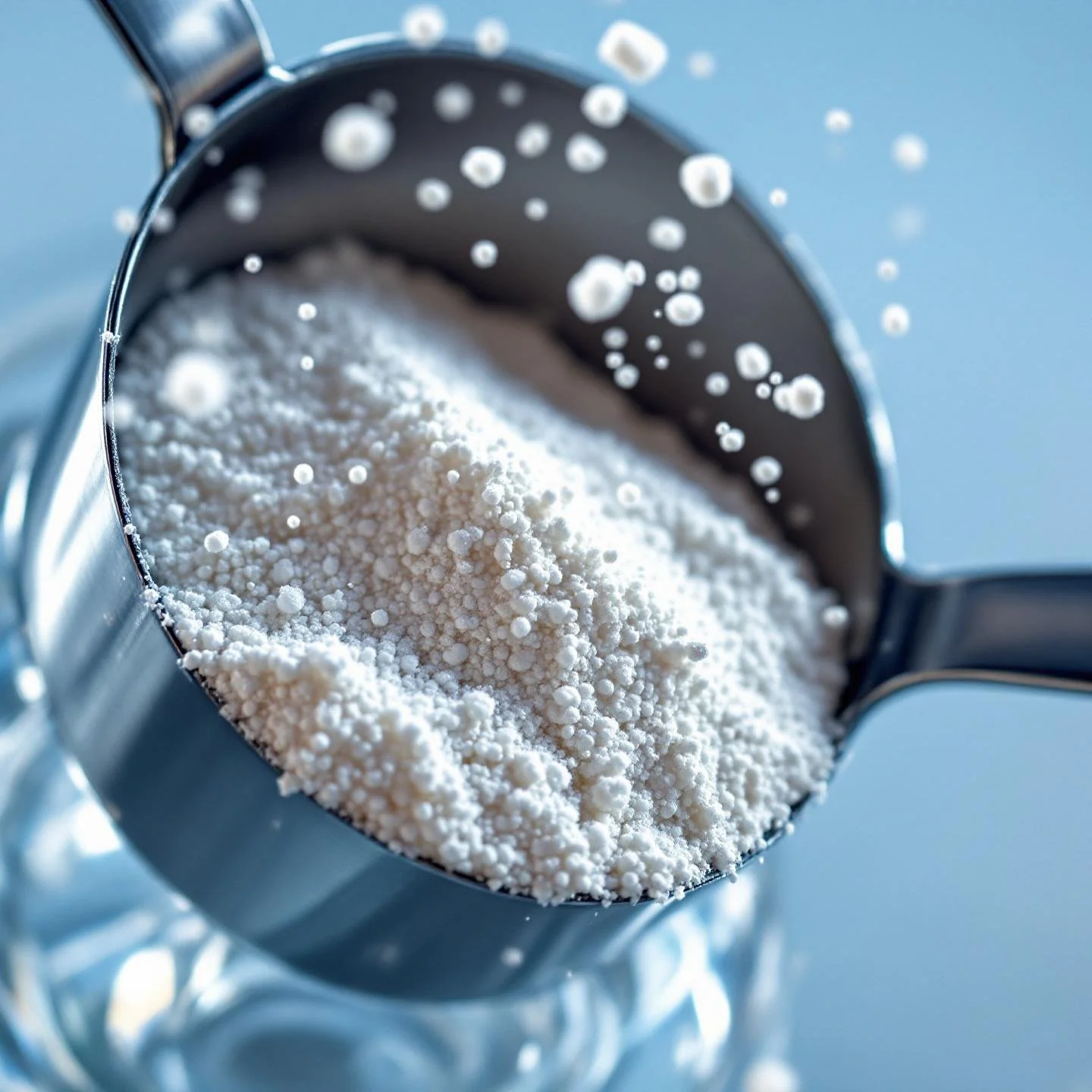
Creatine is a naturally occurring compound found in small quantities in foods such as red meat and fish. However, to reach optimal levels for muscle growth, strength, and performance, many people choose to supplement with creatine monohydrate.
How Does Creatine Work?
Creatine is stored in muscle cells as creatine phosphate. During high-intensity exercise or strength training, your body quickly depletes its primary energy source, adenosine triphosphate (ATP). Creatine helps regenerate ATP, allowing you to lift heavier, train longer, and recover more efficiently. Think of it as a battery boost for your muscles.
Why Choose Creatine Monohydrate?
Among the vast array of sports supplements, creatine monohydrate stands out for its proven effectiveness, safety, and affordability. It’s the form most widely used in clinical studies and is readily available from reputable supplement brands.
The Science: Creatine and Your Fitness Goals
Muscle Growth and Strength
If building muscle or increasing strength is your focus, creatine is your friend. Research consistently shows that creatine supplementation enhances muscle mass, increases strength, and boosts muscle protein synthesis. Combined with adequate daily protein and a solid training plan, you’ll see faster, more noticeable gains.
Fat Loss and Body Composition
Concerned about gaining weight? Creatine causes muscles to retain water, not fat. Studies suggest it can help improve body composition by supporting lean muscle mass. More muscle means you burn more calories—even at rest—supporting long-term fat loss.
Endurance and Cognitive Benefits
Creatine isn’t just for bodybuilders. It benefits anyone engaging in high-intensity exercise, such as running or other physically demanding activities. There’s also evidence that creatine supports cognitive performance, making it ideal for busy parents and professionals juggling multiple tasks.
Recovery and Healthy Ageing
Emerging research highlights creatine’s role in supporting muscle recovery, bone health, and healthy ageing. It may help reduce muscle soreness, improve post-workout recovery, and maintain muscle mass as you age, whether you’re training for a marathon or keeping up with energetic children.
How to Use Creatine Monohydrate
Optimal Dosage: What’s Right for You?
For most adults, the recommended daily dose is 5g (approximately one teaspoon). Some opt for a “loading phase” of 20g daily (split into 4–5 doses) for the first week, but this is optional. Consistency is essential; take your daily dose to maintain saturated creatine stores.
Phase Dose Duration: Would You Take Creatine?
Pre-Workout: Some individuals prefer taking creatine 30 minutes before exercise, often mixing it into a pre-workout shake or combining it with carbohydrates to aid absorption.
Post-Workout: Others take it with post-workout protein for convenience and enhanced recovery.
Any Time: The key is daily consistency. Choose a time that suits your routine, such as with your morning tea, breakfast, or evening meal.
How to Take Creatine
Creatine monohydrate is tasteless and dissolves easily in water, juice, or smoothies. It’s also available in capsule form. For optimal absorption, take it with a small portion of carbohydrates, such as a banana or a slice of wholemeal bread.
Stacking Creatine with Other Supplements
Protein Powder: Perfect for supporting muscle repair and growth.
Caffeine: Some studies suggest caffeine may slightly reduce creatine’s benefits, but most people notice little difference. Monitor your response.
Multivitamins & Minerals: Creatine complements a balanced supplement routine.
Nutrition Tips: Building a Supplement-Friendly Diet
Get the Foundations Right
Supplements like creatine should enhance, not replace, a balanced, nutrient-rich diet. Focus on whole foods packed with protein, vitamins, minerals, and amino acids. Lean meats, fish, dairy products, whole grains, fruits, and vegetables are essential for supporting your training and overall health.
Protein and Creatine: A Winning Combination
Aim for 1.2–2g of protein per kg of body weight daily if you’re active. Adequate protein supports muscle growth, recovery, and wellbeing, while creatine helps maximise your training results.
Managing Calories and Carbohydrates
If fat loss is your aim, maintain a slight calorie deficit. Carbohydrates remain crucial for energy and creatine uptake, so don’t eliminate them.
Practical Tips: Creatine for Busy Lifestyles
Staying Consistent
Set Reminders: Use your phone or smart speaker for daily supplement alerts.
Batch Supplements: Keep creatine next to your protein powder or vitamins for a seamless routine.
On the Go: Carry a pill box or sachets for travel or work.
Rest Days and Long-Term Use
Continue taking creatine on rest days to maintain healthy muscle stores. According to reputable studies, long-term use is safe for healthy adults.
Buying Creatine
Prioritise Purity: Opt for products labelled “creatine monohydrate”, ideally those that have been third-party tested.
Choose Trusted Brands: Seek out companies certified by Informed Sport or registered with the UK’s Food Standards Agency (FSA).
Avoid Additives: Pure creatine contains no fillers or unnecessary ingredients.
Addressing Concerns: Safety, Effectiveness, and Common Myths
Kidney Health
Creatine is safe for healthy individuals when used as directed. If you have a pre-existing kidney condition, consult your GP before starting any supplement.
Water Retention and Weight Gain
Any weight gain from creatine is due to increased water in your muscles, not fat. This is a positive sign that your muscles are fully saturated.
Hormonal Effects
There’s no strong evidence that creatine impacts testosterone or hormone levels. Its benefits stem from enhanced ATP regeneration and muscle protein synthesis.
Is Creatine Effective for Everyone?
Creatine is one of the most evidence-backed supplements available. It benefits not only bodybuilders but also runners, cyclists, and anyone seeking to improve their strength, endurance, or overall fitness.
Sample Supplement Routine: Busy Adult Edition
Here’s a typical day for an active adult or parent:
Morning:
Multivitamin with breakfast
Creatine (5g) mixed in squash, water, or a smoothie
Pre-Workout:
Light carb-rich snack (banana, oat bar)
Optional: pre-workout supplement (low in caffeine if needed)
Post-Workout:
Protein shake
Balanced meal with protein, carbs, and vegetables
Throughout the Day:
Stay hydrated (aim for 1.5–2 litres of water)
Snack on nutrient-dense foods (Greek yoghurt, nuts, fruit)
Evening:
Family meal with lean protein and plenty of veg
Conclusion: Make Creatine Work for You
For busy adults and parents, creatine monohydrate is a safe, simple, and effective way to enhance workout performance, support muscle growth, and promote overall health. Backed by decades of robust scientific research, creatine is readily incorporated into any lifestyle.
Remember, supplements are just one part of a successful fitness journey. Combine creatine with a balanced diet, regular exercise, quality sleep, and self-care for the best results. Ready to train harder, recover faster, and stay active for life? Creatine monohydrate could be just what you need.
FAQ: Creatine Monohydrate – Your Questions Answered
1. Is creatine legal and safe in the UK?
Yes, creatine is legal and considered safe for healthy adults by UK regulatory bodies, including the FSA and NHS. Always purchase from reputable UK supplement brands.
2. Will creatine make me gain fat?
No, creatine does not cause fat gain. Any weight increase is due to water retention in muscles, not body fat.
3. Can I take creatine with protein powder or multivitamins?
Absolutely. Creatine works well in conjunction with protein supplements and standard multivitamins, with no reported adverse interactions.
4. Is creatine suitable for women and older adults?
Yes. Creatine is safe and beneficial for both men and women, as well as older adults seeking to maintain muscle and cognitive health.
5. Do I need to “cycle” creatine or take breaks?
No cycling is required. Long-term, continuous use is supported by research, provided you adhere to recommended dosages.
6. Can vegetarians or vegans take creatine?
Yes! Vegetarians and vegans often benefit more from supplementation, as dietary intake is typically lower. Creatine helps you reach optimal muscle stores.
7. Should I take creatine with carbohydrates?
Consuming creatine with a small amount of carbohydrates (such as fruit or toast) can aid absorption, but the effect is modest. Daily consistency is most important.
8. Creatine monohydrate vs other forms: which is best?
Creatine monohydrate is the gold standard for both effectiveness and value. Other forms (such as creatine malate) offer no proven additional benefits for most users.
9. How long will it take to see results?
Most people notice improved performance and strength within 2 to 4 weeks of consistent daily use.
10. Is creatine suitable for teenagers or children?
Creatine is not typically recommended for individuals under 18 years old unless advised to do so by a healthcare professional or a qualified sports nutritionist.
Ready to optimise your workouts and reach your fitness goals? Creatine monohydrate could be the missing link in your nutrition plan. For personalised advice, consult a registered nutritionist or personal trainer in your local area.