Hormones and Fat: How They Impact Your Health and Weight
Introduction
Are you managing a busy family, a demanding career, or an active lifestyle, yet still find yourself frustrated by stubborn weight gain or persistent body fat? You're not alone! Many active adults and busy parents experience changes in body composition, energy, and metabolism that seem beyond their control. The underlying cause often goes deeper than just diet or exercise; it's your hormones.
Hormones are mighty chemical messengers that orchestrate everything from appetite and fat storage to metabolism and mood. Gaining a clear understanding of the connection between hormones and fat can be transformative for effective weight management, improved health, and sustained energy. In this guide, we'll explore how hormones like insulin, cortisol, estrogen, and testosterone shape your body fat, and share actionable strategies to harness their influence for better results.
The Basics: Hormones, Fat, and Your Body
What Are Hormones?
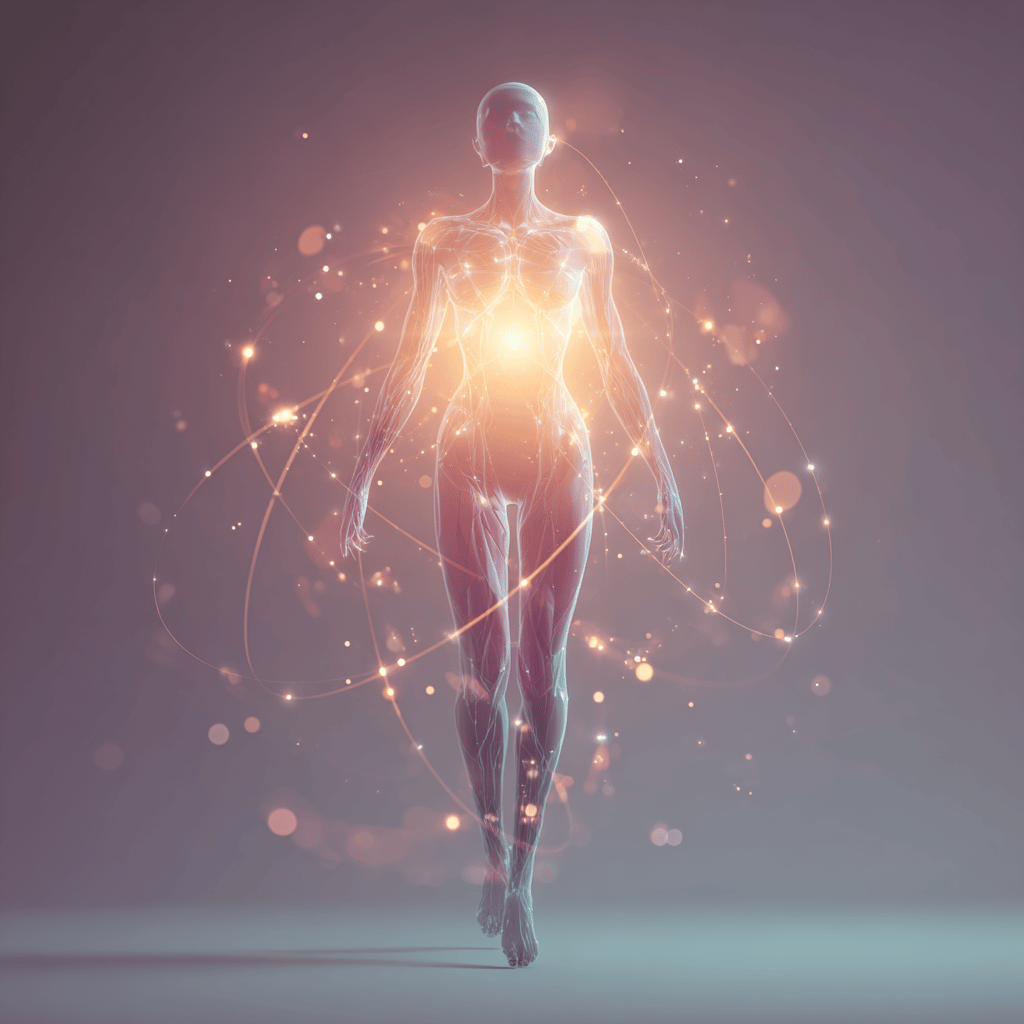
Hormones are biochemical substances produced by glands in your endocrine system. Picture them as text messages delivered through your bloodstream, sending instructions to organs and tissues throughout your body. They regulate almost every bodily function, including growth, metabolism, reproduction, and stress response.
How Fat Functions in the Body
Fat, or adipose tissue, is far more than a passive storage site for extra calories. It's an active tissue that closely interacts with your hormones. Body fat stores energy, cushions organs, and helps regulate temperature. However, excess body fat, especially around your abdomen, raises your risk for cardiovascular disease and metabolic disorders.
The Link Between Hormones and Fat
Hormones play a key role in how and where your body stores fat. They influence appetite, cravings, energy expenditure, and fat distribution. When hormones are imbalanced, you may notice weight gain, increased fat retention, or reduced responsiveness to diet and exercise.
Insulin: The Blood Sugar and Fat Storage Hormone
What is Insulin?
Insulin, produced by your pancreas, is essential for regulating blood sugar levels. When you eat carbohydrates, such as bread, pasta, or fruit, they're broken down into glucose, which enters the bloodstream. Insulin enables cells to absorb this glucose for energy.
Insulin and Weight Gain
Consuming a diet high in sugar or refined carbohydrates triggers frequent insulin release. Over time, this can lead to insulin resistance, where your cells no longer respond effectively to insulin. The result? More glucose remains in your blood, and your body stores the excess as fat, especially around the abdomen.
Tip: Choose whole, unprocessed carbohydrates like oats, brown rice, and root vegetables. Combine carbs with protein and healthy fats to slow sugar absorption and keep insulin levels steady.
Balancing Insulin for Weight Management
Eat balanced meals: Include lean protein, healthy fats, and fibre-rich vegetables at each meal.
Limit added sugars: Reduce sugary drinks and processed snacks.
Stay active: Regular exercise improves insulin sensitivity and supports weight loss.
Cortisol: The Stress Hormone and Fat Storage
Understanding Cortisol
Your adrenal glands release cortisol in response to stress. As part of your body's "fight or flight" system, it prepares you to react quickly to threats. But chronic stress, from work pressure, family challenges, or lack of sleep, can keep cortisol levels elevated.
Cortisol, Fat, and Sleep
Persistently high cortisol prompts your body to store more fat, particularly around the midsection. It also increases cravings for sugary and fatty foods, undermining healthy eating efforts. Poor sleep further elevates cortisol, creating a vicious cycle of weight gain and low energy.
Daily Routine Tip: Dedicate 5–10 minutes each day to deep breathing, stretching, or a short walk to help lower cortisol and support fat loss.
Estrogen and Sex Hormones: Fat Distribution and Weight
The Role of Estrogen
Estrogen, a primary female sex hormone present in all genders, significantly influences fat distribution. It often leads to fat storage around the hips and thighs in women. During menopause, declining estrogen causes fat to shift toward the abdomen, increasing cardiovascular risk.
Testosterone and Growth Hormone: Fat Burning and Muscle Maintenance
Testosterone, more prevalent in men but vital for all, promotes muscle building, fat burning, and sustained energy. Growth hormone, released during sleep and exercise, further supports fat loss and muscle preservation.
Strategy: Incorporate resistance training (such as bodyweight exercises or lifting daily objects) to promote healthy testosterone and growth hormone levels.
Leptin and Ghrelin: Appetite Control and Obesity
Leptin: The Satiety Hormone
Leptin, produced by fat cells, signals your brain when you're full. With excess body fat, your body can develop leptin resistance, making it harder to recognise fullness and leading to overeating and weight gain.
Ghrelin: The Hunger Hormone
Ghrelin stimulates appetite. Factors like inadequate sleep, high stress, and restrictive diets increase ghrelin, making you feel hungrier and more prone to overeating.
Tip: Aim for 7–8 hours of quality sleep each night and avoid skipping meals to help keep appetite hormones balanced.
Diet, Fat, and Hormones: Why Your Choices Matter
Healthy Fats vs. Low-Fat Diets: The Truth About Fat
For years, low-fat diets were promoted for weight loss. However, not all fats are created equal. Healthy fats, from nuts, olive oil, avocados, and fatty fish, support hormone production, enhance satiety, and aid in absorbing fat-soluble vitamins (A, D, E, K).
Types of Fats Explained
Saturated fats: Found in butter, cheese, and fatty meats. Best enjoyed occasionally and in moderation.
Unsaturated fats: Found in olive oil, nuts, seeds, and fish. These support heart and metabolic health.
Trans fats: Found in processed foods; avoid these altogether for better hormone and heart health.
Quick Shop Tip: Add a tin of sardines, a handful of almonds, or some extra-virgin olive oil to your grocery basket for hormone-friendly fats.
Carbohydrates, Sugar, and Blood Sugar Control
Opt for complex carbohydrates and limit added sugars to maintain stable blood sugar and insulin levels. Remember, 1 gram of carbohydrate contains 4 kilocalories, so watch your portions for effective weight management.
Inflammation, Fatty Acids, and Hormonal Health
Inflammatory Foods and Body Fat
A diet rich in processed foods, trans fats, and excess sugar promotes chronic inflammation, disrupting hormone balance and increasing the risk of metabolic and cardiovascular diseases.
Anti-Inflammatory Strategies:
Increase omega-3 fatty acids (from salmon, flaxseeds, or walnuts)
Eat more colourful vegetables and berries
Limit processed snacks and ready meals
Daily Routines for Hormone-Friendly Weight Management
Morning
Drink water upon waking to jumpstart metabolism
Eat a balanced breakfast with protein, whole grains, and healthy fats
Move your body for 10–15 minutes (try a brisk walk or yoga)
Afternoon
Avoid long gaps between meals; enjoy a small, nutrient-rich snack if needed
Practice stress reduction (read, meditate, or take a short walk)
Evening
Enjoy a dinner featuring lean protein, plenty of veggies, and a drizzle of olive oil
Limit screens an hour before bedtime to support restorative sleep
Hormones, Fat, and the Nervous System
Your nervous system works hand-in-hand with your hormones to regulate hunger, stress, and metabolism. Chronic stress or poor sleep disrupts this balance, causing spikes in cortisol, insulin resistance, and ultimately, increased body fat. Prioritise rest and stress management to keep this system running smoothly.
Conclusion
Hormones and fat are deeply interconnected, shaping your weight, body composition, energy, and overall health. By learning how hormones like insulin, cortisol, estrogen, leptin, and testosterone affect fat storage and metabolism, you can make empowered, daily choices. Focus on a balanced diet, regular physical activity, quality sleep, and effective stress management for lasting health and weight results.
Remember: small, consistent changes add up. Start with one or two strategies from this guide, and build healthy habits at your own pace. You have the power to support your hormones and achieve your health goals—one step at a time!
Frequently Asked Questions (FAQ)
1. Can a hormone imbalance cause weight gain even if I eat healthily?
Yes. Hormones like insulin, cortisol, and thyroid hormones can influence how your body stores and burns fat. When these are out of balance, you may gain weight despite eating well.
2. Should I follow a low-fat diet for hormone health?
Not necessarily. Healthy fats are essential for hormone production. Focus on unsaturated fats from whole foods like nuts, seeds, olive oil, and fatty fish instead of eliminating fats.
3. How can I tell if my hormones are affecting my weight?
Signs include unexplained weight gain, fatigue, mood swings, food cravings, and stubborn belly fat. If you're unsure, consult your GP or a registered nutritionist.
4. What's the best exercise for hormone balance and fat loss?
A combination of aerobic activity (walking, cycling) and resistance training (bodyweight exercises or weights) works best. Even 20–30 minutes a day can make a difference.
5. Are there foods that help balance hormones and reduce inflammation?
Absolutely! Omega-3-rich foods (like salmon and flaxseeds), colourful vegetables, whole grains, and fermented foods (such as yoghurt) support hormone function and reduce inflammation.
6. Does stress really make me gain fat?
Yes. Chronic stress elevates cortisol levels, which increases fat storage, especially around the waistline.
7. How do I manage cravings caused by hormonal changes?
Eat regular, balanced meals, get enough sleep, and manage stress. If cravings persist, seek professional advice for personalised support.