Unlock the Power of Contrast Therapy: Wellness & Its Benefits
In today’s fast-paced world, finding effective ways to enhance wellness and recovery has become increasingly important. Contrast therapy, a practice that alternates hot and cold treatments, is gaining popularity among active adults and restless parents alike for its impressive health benefits. From boosting circulation to reducing muscle soreness, this therapy experience offers a natural and accessible way to support your body’s wellbeing.
Whether you’re recovering from a challenging workout, managing everyday stress, or simply seeking relaxation, understanding the power of contrast therapy could unlock a new level of wellness for you. In this comprehensive guide, we’ll explore what contrast therapy is, how cold and hot water immersion work together, and practical tips to incorporate this therapy into your wellness routine.
What is Contrast Therapy? The Basics of Hot and Cold Treatments
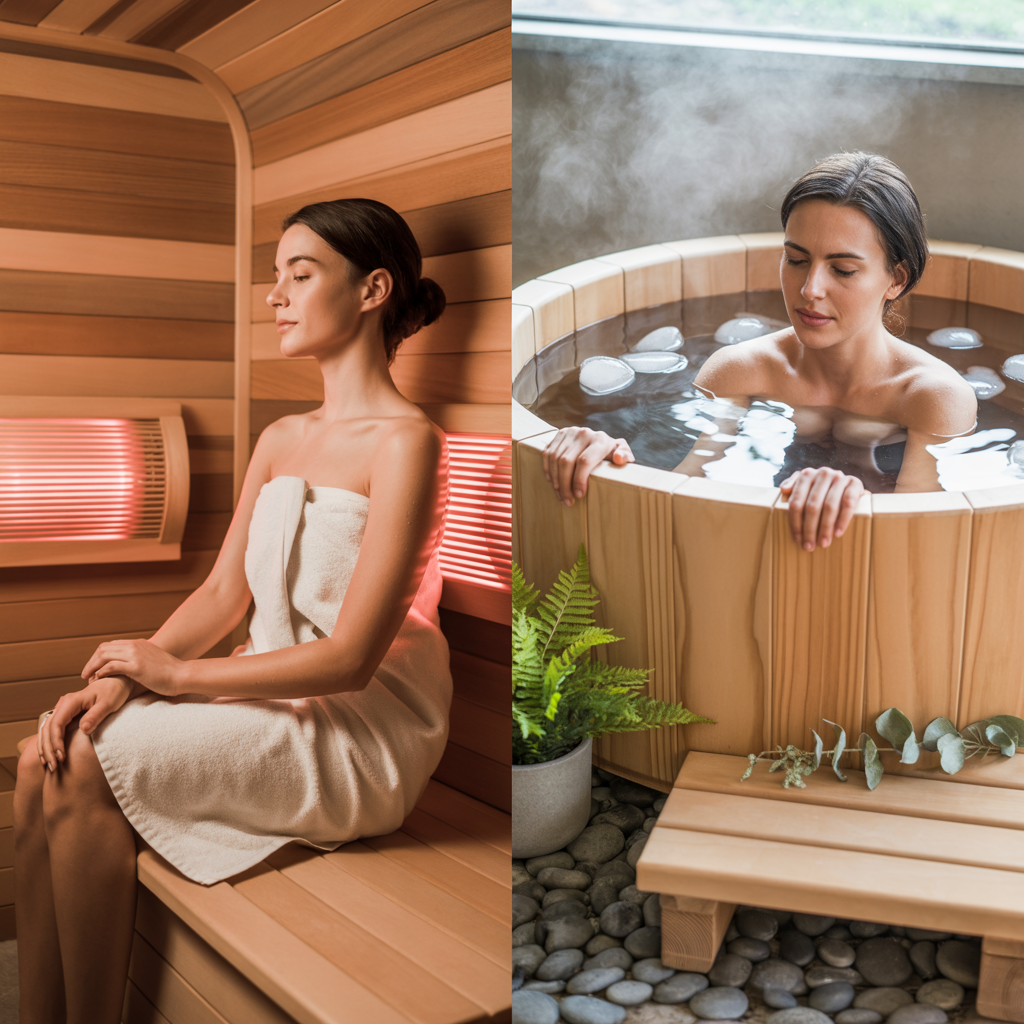
Contrast therapy involves alternating between hot and cold exposures, typically through methods like cold plunges, ice baths, sauna sessions, and hot tubs. The process stimulates the body by making blood vessels constrict and dilate, improving circulation and encouraging the body’s natural healing mechanisms.
How Does Contrast Therapy Work?
Hot water or sauna sessions cause blood vessels to dilate (expand), increasing blood flow to the skin and muscles.
Cold water immersion or cold plunges cause blood vessels to constrict (narrow), reducing blood flow temporarily and decreasing inflammation.
Alternating between these temperatures creates a pumping effect on the cardiovascular system, enhancing circulation.
This unique stimulation can help reduce muscle soreness, decrease inflammation, and promote relaxation by releasing endorphins — the body’s natural feel-good chemicals.
The Science Behind Cold Therapy: Ice Baths and Cold Water Immersion
Cold therapy, including ice baths and cold water therapy, is a key element in contrast therapy sessions. Immersing yourself in cold water, often between 10°C and 15°C, can feel intense initially but offers remarkable benefits when done safely.
Benefits of Cold Exposure
Reduce inflammation: Cold exposure helps constrict blood vessels, which can reduce swelling and inflammation.
Alleviate muscle soreness: Post-exercise immersion in cold water has been shown to decrease delayed onset muscle soreness (DOMS).
Boost cardiovascular health: Regular cold plunges stimulate the cardiovascular system, improving blood flow and vessel elasticity.
Enhance mental wellness: Cold therapy triggers the release of endorphins, which can reduce stress and elevate mood.
Many athletes and wellness enthusiasts swear by cold water therapy as a recovery tool, but it’s also accessible for anyone looking to invigorate their health.
Harnessing the Heat: Sauna and Hot Tub Benefits in Contrast Therapy
On the other side of the temperature spectrum, heat treatments such as traditional saunas, infrared saunas, and hot tubs play a vital role in contrast baths and hot and cold therapy.
Why Heat Matters
Stimulate blood flow: Heat causes blood vessels to dilate, improving circulation and delivering oxygen-rich blood to muscles.
Relax muscles: A sauna session or hot tub soak helps reduce muscle tension and promotes relaxation.
Detoxify the body: Sweating in a sauna aids in flushing out toxins.
Support cardiovascular health: Regular heat exposure can improve heart rate variability and vascular function.
Infrared saunas, in particular, offer a gentler heat that penetrates deeper into tissues, adding an extra dimension to your wellness routine.
Unlocking Wellness: The Combined Power of Hot and Cold Therapy
Alternating between hot and cold treatments amplifies the individual benefits of each. This dynamic approach can stimulate blood flow, reduce inflammation, and enhance muscle recovery more effectively than either therapy alone.
How Contrast Baths Work
Contrast baths involve alternating the body or limbs between hot and cold water. A typical session might look like this:
Immerse in hot water (around 38°C to 40°C) for 3-5 minutes.
Switch to cold water (around 10°C to 15°C) for 1-2 minutes.
Repeat the cycle 3-5 times.
The temperature swings cause blood vessels to rapidly constrict and dilate, which helps flush out metabolic waste and improve circulation.
Benefits of Contrast Therapy Sessions
Reduce muscle soreness and stiffness after exercise.
Decrease inflammation and swelling.
Stimulate the cardiovascular system to enhance overall heart health.
Promote relaxation and stress reduction through endorphin release.
Enhance recovery by improving nutrient and oxygen delivery to tissues.
Active adults and parents juggling busy lives can especially benefit from the quick yet practical nature of these therapy sessions.
Practical Tips for Incorporating Contrast Therapy into Your Wellness Routine
If you’re keen to unlock the benefits of contrast therapy at home or in a spa setting, here are some actionable tips:
Getting Started Safely
Consult your doctor if you have cardiovascular issues, hypertension, or other health concerns.
Start gradually: Begin with shorter cold exposures and moderate heat to allow your body to adapt.
Stay hydrated: Drink plenty of water before and after your session.
Setting Up Your Contrast Therapy Session
Use a hot tub or bath for the warm phase (38°C to 40°C).
Prepare a cold plunge or ice bath (10°C to 15°C) for the freezing phase.
Alternate immersions, aiming for 3-5 cycles.
Finish with a warm sauna session or hot bath for additional relaxation.
Additional Tips
Breathing techniques can help manage the initial shock of cold water immersion.
Listen to your body and avoid overdoing cold exposure to prevent discomfort or hypothermia.
Combine contrast therapy with light stretching to aid muscle recovery further.
Contrast Therapy for Athletes and Active Adults: Enhancing Muscle Recovery
For those regularly engaging in physical activity, contrast therapy offers a natural way to support muscle recovery and reduce downtime.
Why Athletes Choose Contrast Baths
Helps reduce soreness after intense workouts.
Speeds up the removal of lactic acid and metabolic waste.
Improves circulation, aiding tissue repair.
Provides a mental reset through relaxation and endorphin release.
Even if you’re not a professional athlete, incorporating contrast therapy into your wellness routine can help you bounce back faster from daily physical challenges.
Managing Inflammation and Stress with Hot and Cold Treatments
Chronic inflammation and stress are common challenges that can impact quality of life. Contrast therapy’s ability to reduce inflammation and promote relaxation makes it a valuable tool for wellness.
How Contrast Therapy Reduces Inflammation
Alternating hot and cold causes blood vessels to constrict and dilate, which:
Flushes out inflammatory substances.
Reduces swelling.
Encourages repair and recovery.
Stress Reduction and Relaxation
The release of endorphins during hot and cold exposure promotes a sense of wellbeing. Paired with the soothing nature of a sauna session or hot tub, contrast therapy can be a powerful ally against everyday stress.
Exploring Different Types of Saunas and Hot Baths in Contrast Therapy
Not all heat therapies are the same. Choosing the right type can enhance your therapy experience.
Traditional Sauna vs Infrared Sauna
Traditional sauna: Uses dry heat, often reaching temperatures of 70°C to 100°C.
Infrared sauna: Uses infrared light to heat the body directly, typically at lower temperatures (45°C to 60°C).
Both offer relaxation and cardiovascular benefits, but differ in heat intensity and penetration.
Hot Tub and Bath Therapy
Soaking in a hot tub or bath is a convenient way to get the benefits of heat therapy at home. The buoyancy also reduces joint stress, making it ideal for those with aches or arthritis.
Listen to Your Body: Knowing When Contrast Therapy is Right for You
While contrast therapy is generally safe for most, it’s essential to be mindful of your body’s signals.
Avoid if you have open wounds, infections, or severe cardiovascular conditions.
Stop immediately if you feel dizzy, excessively cold, or uncomfortable.
Gradually build tolerance to cold exposure.
With care and attention, contrast therapy can become a rejuvenating part of your wellness journey.
Conclusion
The power of contrast therapy lies in its simple yet effective use of hot and cold treatments to stimulate circulation, reduce inflammation, and promote relaxation. Whether through ice baths, cold plunges, sauna sessions, or hot tubs, alternating temperatures can unlock significant benefits for muscle recovery, cardiovascular health, and mental wellbeing.
For active adults and restless parents seeking natural ways to enhance wellness and reduce stress, contrast therapy offers an accessible and enjoyable approach. By incorporating regular therapy sessions into your routine, you can support your body’s healing processes, improve circulation, and enjoy a profound sense of relaxation.
Remember to start slowly, listen to your body, and consider professional advice if you have health conditions. With time, contrast therapy could become your go-to method for revitalising both body and mind.
Frequently Asked Questions (FAQ)
1. How long should I stay in a cold plunge or ice bath?
A typical cold plunge lasts between 1 and 3 minutes, depending on your tolerance. Beginners should start with shorter durations and gradually increase time as they become accustomed to cold exposure.
2. Can contrast therapy help with chronic inflammation?
Yes, the alternating hot and cold treatments can help reduce inflammation by improving blood flow and flushing out inflammatory substances. However, it should complement, not replace, medical treatment.
3. Is contrast therapy safe for everyone?
While generally safe, people with cardiovascular problems, blood pressure issues, or certain medical conditions should consult a healthcare professional before beginning contrast therapy.
4. How often should I do contrast therapy sessions?
For wellness and recovery, 2 to 3 sessions per week is a good starting point. Some athletes may use it more frequently during intense training periods.
5. Can I use a hot tub and a cold shower for contrast therapy at home?
Absolutely. Alternating between a hot tub soak and a cold shower is an effective and accessible way to experience contrast therapy.
6. What is the difference between a traditional sauna and an infrared sauna?
Traditional saunas use dry heat at higher temperatures, while infrared saunas use light to heat the body directly at lower temperatures. Both have benefits, so choose based on comfort and preference.
7. Does contrast therapy improve cardiovascular health?
Yes, by stimulating blood vessel constriction and dilation, contrast therapy can enhance circulation and support cardiovascular function.
8. Can children or older adults use contrast therapy?
With proper supervision and medical advice, mild contrast therapy can be safe for children and older adults, but it should be approached cautiously and tailored to individual tolerance.
Unlocking the power of contrast therapy could be the key to enhancing your wellness, recovery, and relaxation. Give it a try and feel the difference for yourself!